The White Room
Jayce Jungseo Kim
#BehavioralDesign #AffectiveComputing #InteractiveNarrative #TransformativeExperienceDesign #LudicPsychology
Game Play: https://twr-final.vercel.app/
Learn More about this work?: https://jk5052.github.io/thewhiteroom/
Designer Website: www.jaycejungseokim.com
THE WHITE ROOM
The Room as a Psychological Mirror
A therapeutic game experience for self-interpretation, not self-diagnosis.
A tool for deepening our understanding of life and exploring our relationships with others.
Systems may classify us, but they should not define us.
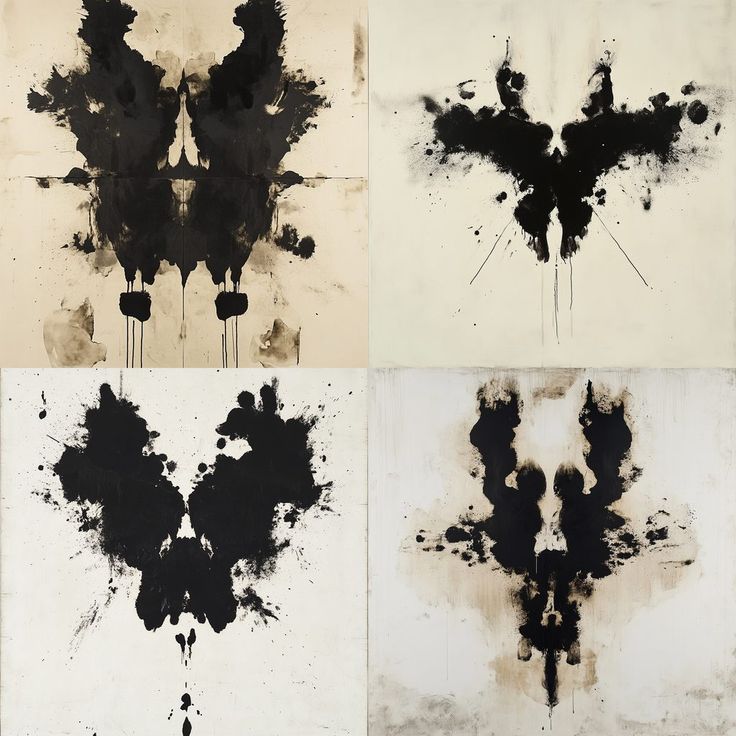
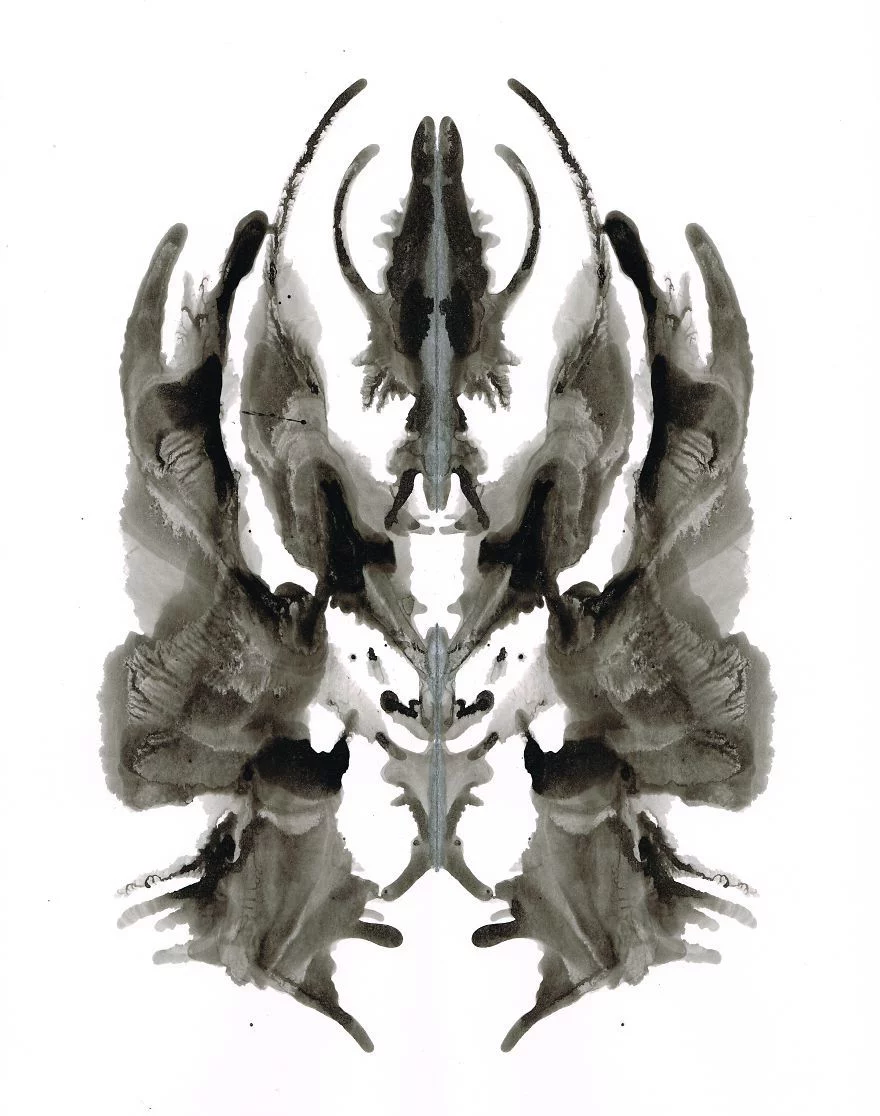

Before entering...
What did you see?
Most of how I treat other people is not chosen by me.
I avoid someone, or I press too hard, or I argue, or I withdraw, or I idealize them, or I find one flaw and fixate on it. And most of the time, I am doing this from a place I cannot see.
I have a style — a way I have learned to meet the world. That style was assembled long before I began paying attention to it. Whether I notice it or not, it runs. It runs most intensely when I am not watching.
Psychoanalysis calls this the defense mechanism.
Avoidance, intellectualization, projection, splitting — these are not failures of feeling. They are ways the mind makes the world livable. They were once adaptive. Often, they still are.
But when they operate unexamined, defense mechanisms begin to operate us. They decide how we treat the people we love, whether we hear or fail to hear what someone is trying to tell us, what we allow ourselves to feel, and what we refuse.
Until you make the unconscious conscious, it will direct your life and you will call it fate. — Carl Jung
I think this matters.
Much of what we call "just who I am," much of what we call personality, much of what we call compatibility, is actually a pattern. And a pattern, in principle, can be seen.
To see it is to recover a small margin of choice in how we move through the world. To not see it is to live by it without knowing.
This is the place I keep returning to.
It is not enough to feel. It is not even enough to feel deeply.
The work of becoming conscious of one's own patterns — why I keep choosing this, why I keep avoiding that, why this person undoes me — is not optional. Without it, we are not truly in relationship with one another. We are firing our defenses at each other and calling it love, work, or incompatibility.
We are being read
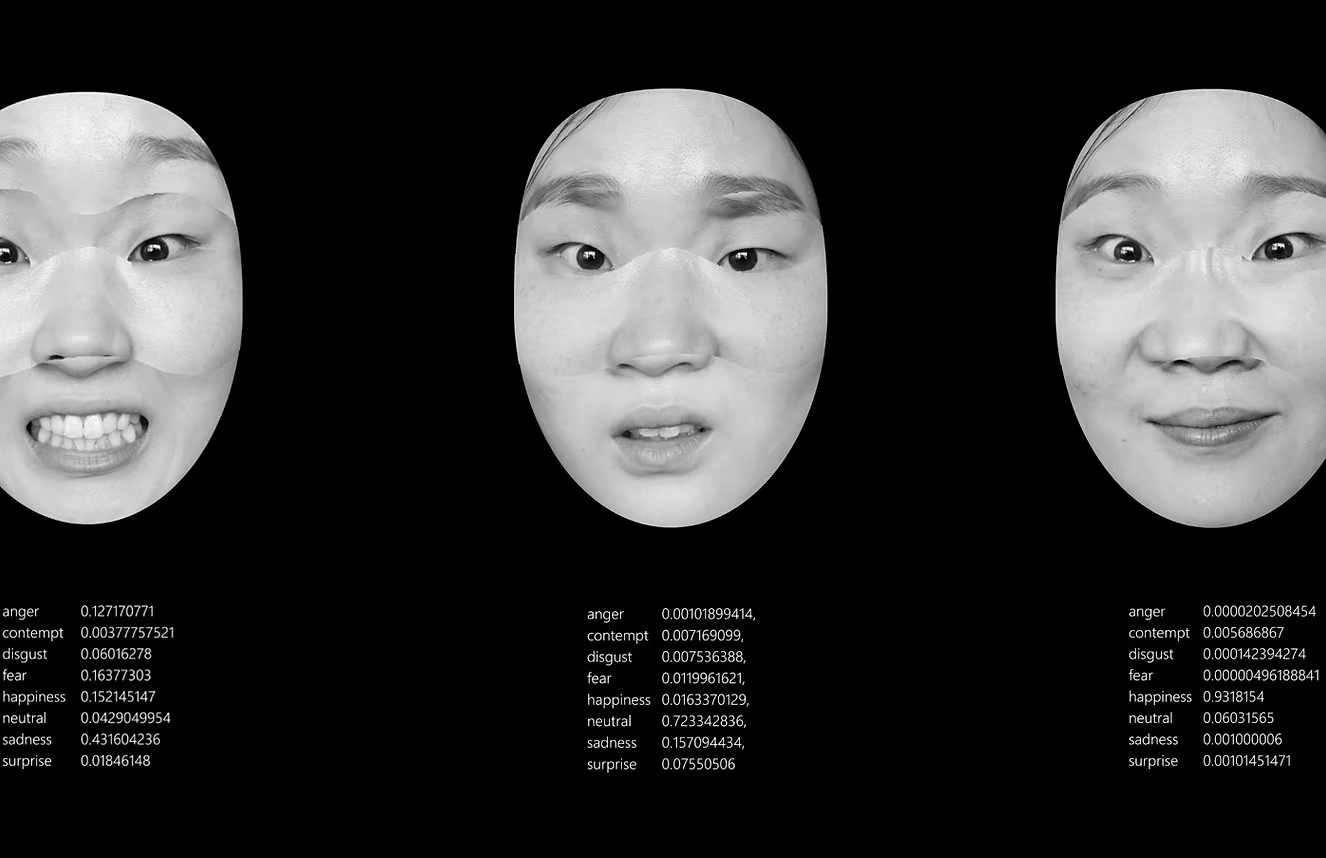
The eyes that read us are no longer only human.
We are being read by systems that extract affect from our faces, valence from our words, and resilience from our heartbeats. What these systems return — a 0.7 of sadness, a softmax across seven basic emotions, a wellness score — is increasingly becoming the language through which our inner lives are described to us, by us, and by the institutions that act upon us.
But these systems do not give us closer access to ourselves.
They are not neutral. The schemas they operate through — Plutchik's wheel, Ekman's six basic emotions — were design decisions, made decades before the systems that would scale them globally.
There is a Korean word, 한. It names an accumulated grief that does not easily resolve, a longing braided with resentment, a feeling with no single-word equivalent in English.
There is another Korean word, 정. It names an attachment that grows through proximity rather than declaration — a feeling that seeps into people and places without fully naming itself.
When 한 encounters emotion AI, it becomes either misclassified or invisible. The schema creates a world in which only the things it can hold count as feeling. What falls outside the schema is translated into the nearest available category, or into nothing at all.
None of these are emotions in the Plutchik sense. None of them can simply be added to or subtracted from anything else.
They are not building blocks.
They are weather.
Emotions in a face, but not all.
Emotions in a voice, but not all.
Emotions in a body, but not all.
I call this the violence of quantification.
Not the act of measurement itself, but the assumption that what cannot be measured does not exist — and that what can be measured exists only in the form measurement permits.
I believe that knowing oneself is essential. And we cannot outsource that knowing. The work has to remain ours.
The world is not fixed — it is arranged according to the blueprint of our mind, our defense mechanisms. The moment we understand that blueprint, we stop being mere residents of the world and become its designers.
This is the principle I have been working from.
Defense is not deficiency. It is adaptive intelligence — the way we arrange the world into a form we can live in.
The avoidant person is a designer of distance.
The intellectualizer is a designer of frames.
The projector is a designer of locations.
To recognize this design sense is to recognize the person — whether that person is oneself or someone else.
So what if a system, instead of naming a person's pattern, walked through it with them?
The White Room Manifesto
We do not make games to classify people.
We make rooms where people can interpret themselves.
We no longer believe in a world where human beings are explained only through scores, types, diagnoses, emotion labels, or behavioral data.
Systems claim to read us, but too often they fix us in place.
That is not understanding.
That is classification.
That is not connection.
That is management.
We believe defense mechanisms are not defects.
They are languages learned for survival.
Someone's silence may not be indifference.
Someone's joke may not be avoidance.
Someone's logic may be a way of hiding feeling.
Perhaps the reason we fail to reach one another is not because there is no care, but because each of us is protecting ourselves in a different way.
The White Room does not diagnose the player.
It does not attach a name tag to the person.
Instead, through a room, a choice, a sentence, and a card, it reflects back the way a player meets the world — whether they flee, freeze, analyze, care, turn away, or hold on.
But what that means is not decided by the system.
It is decided by the player.
A system can see patterns.
It cannot own meaning.
A system may classify us.
It should not define us.
The White Room is a practice game for reclaiming the authority of interpretation without surrendering the self to the system.
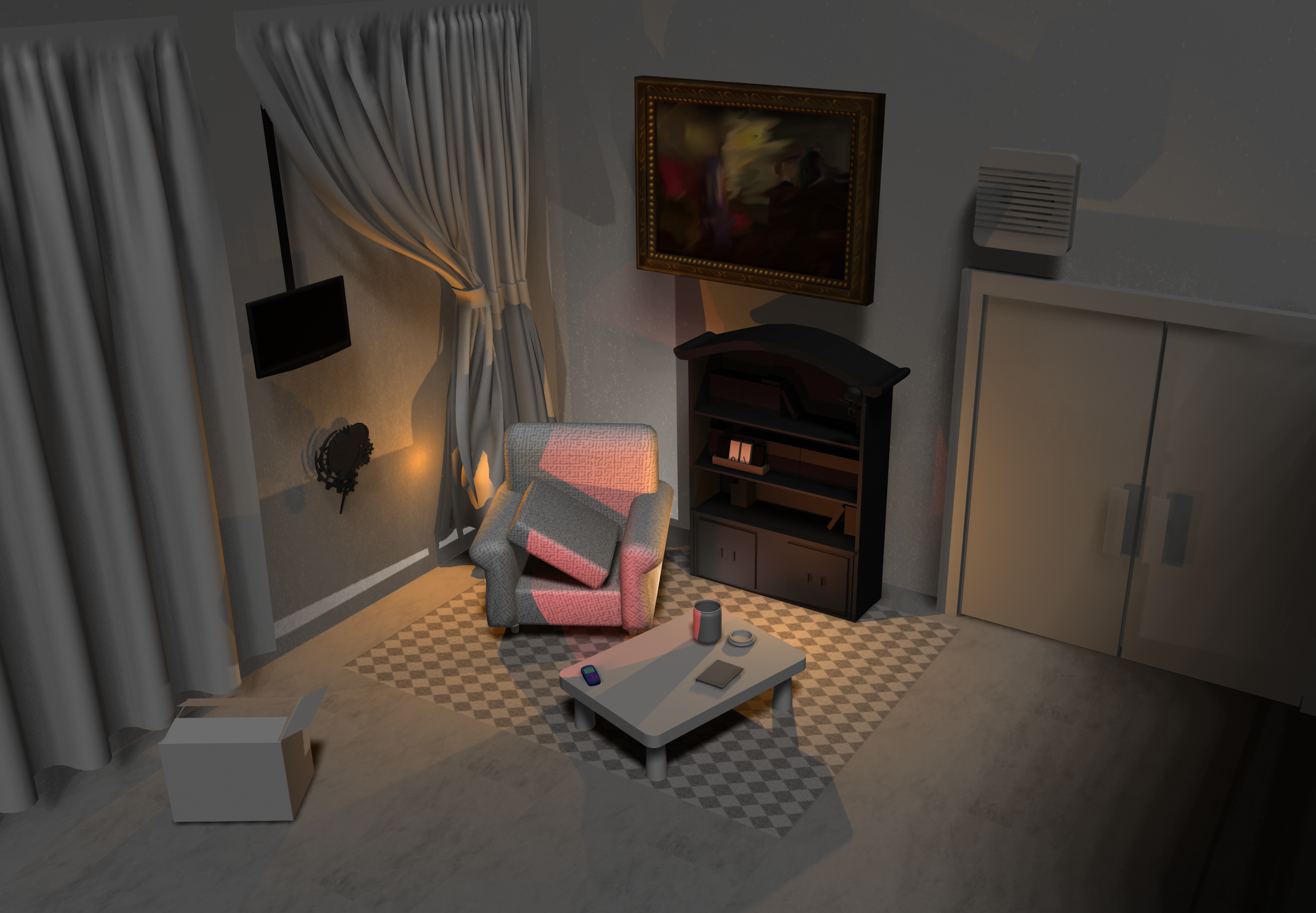
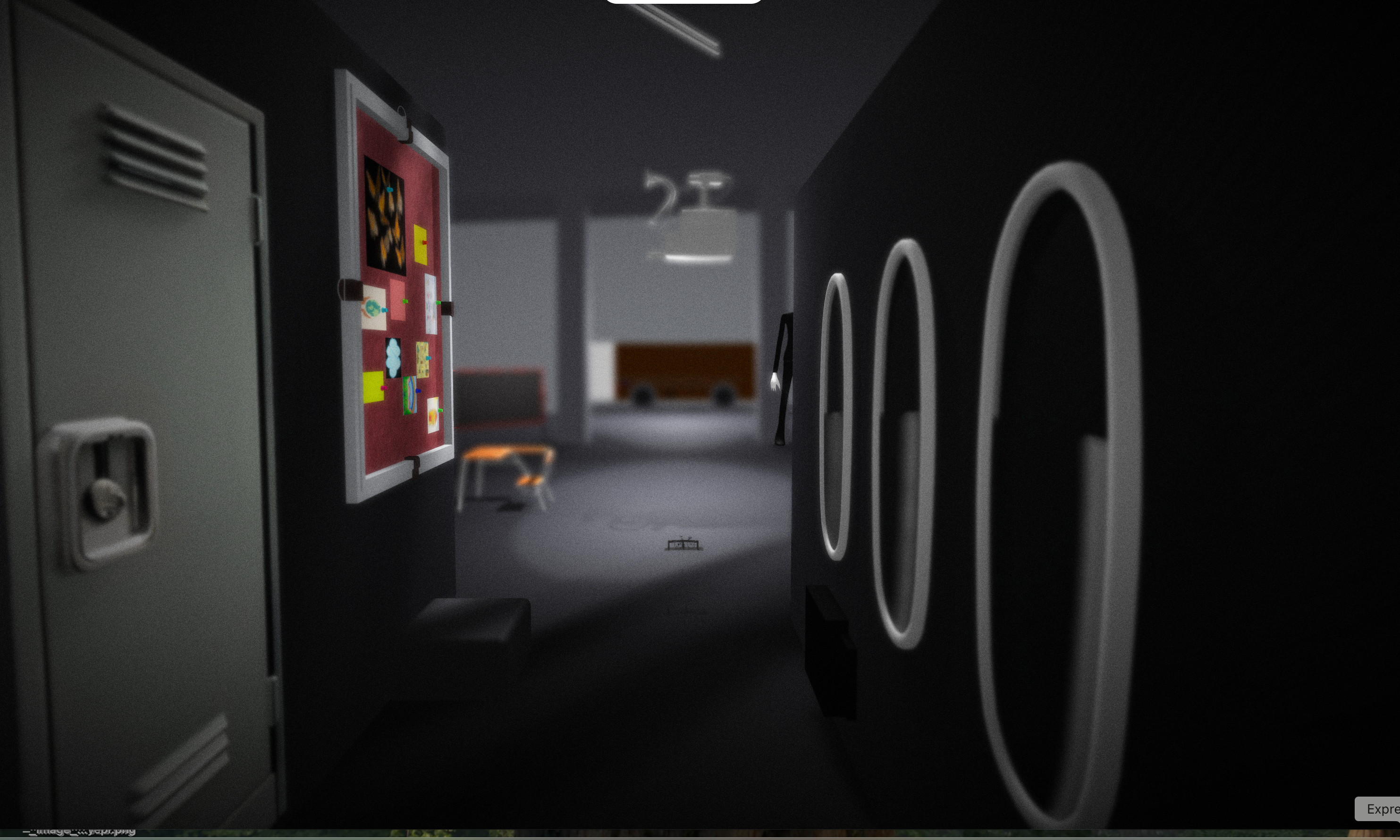
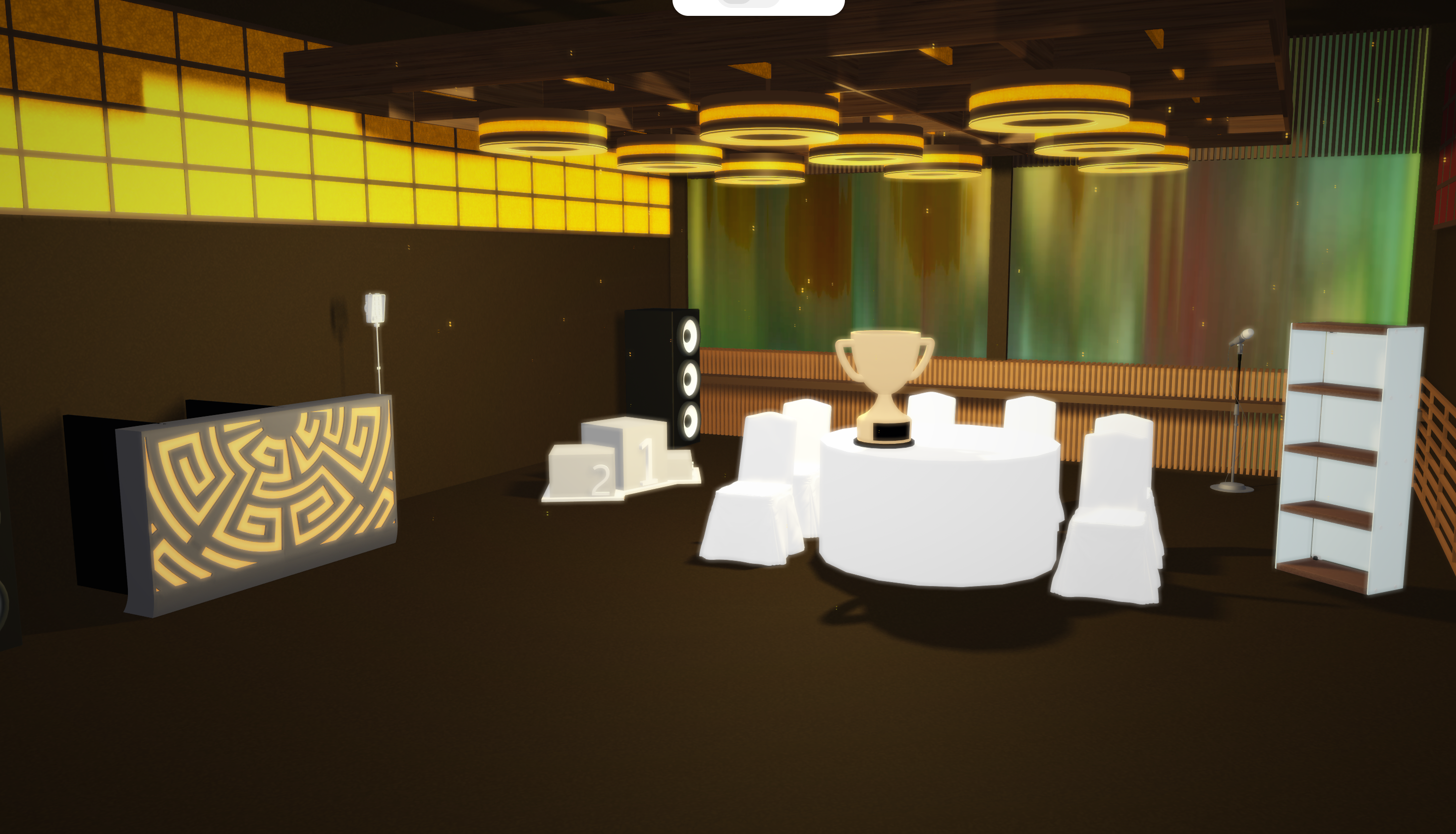
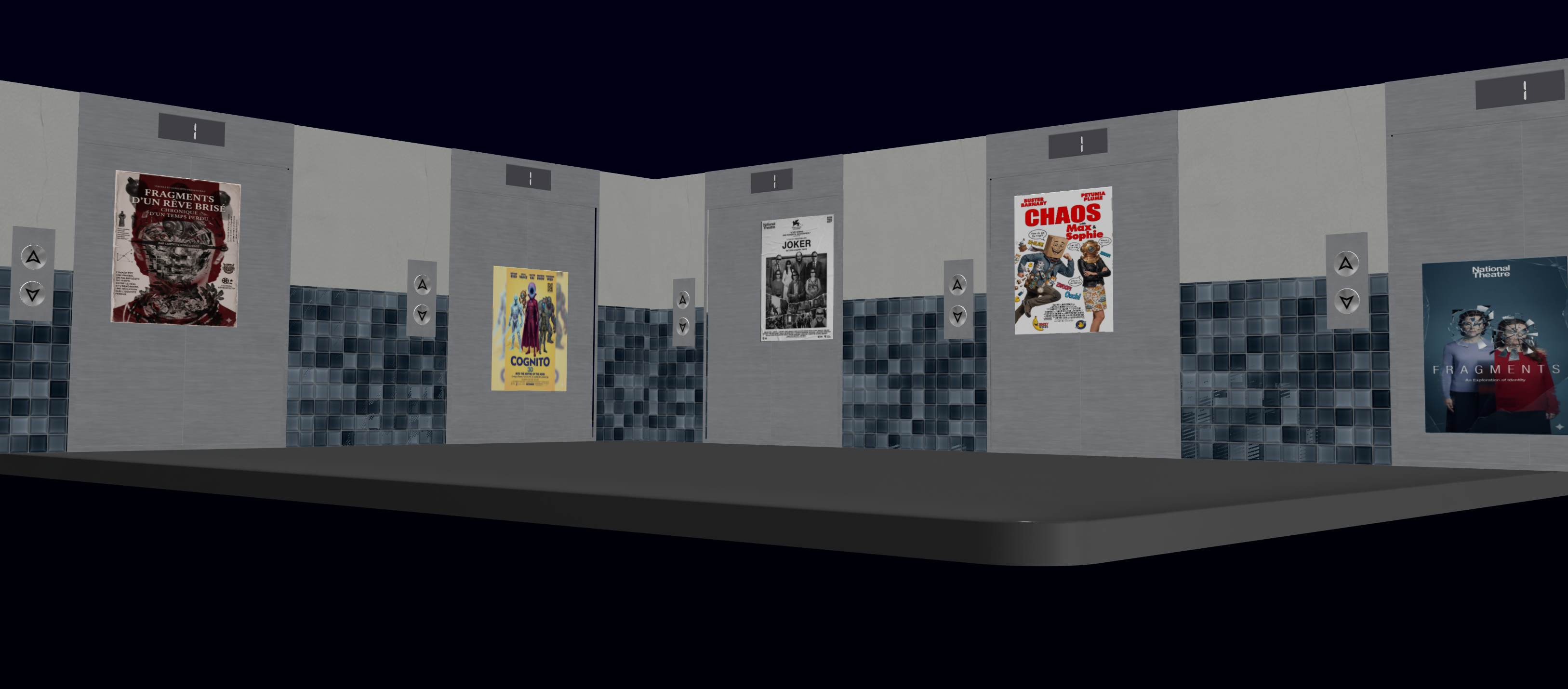
The White Room
The White Room is a single-session journaling RPG and computational tool for psychological reflection.
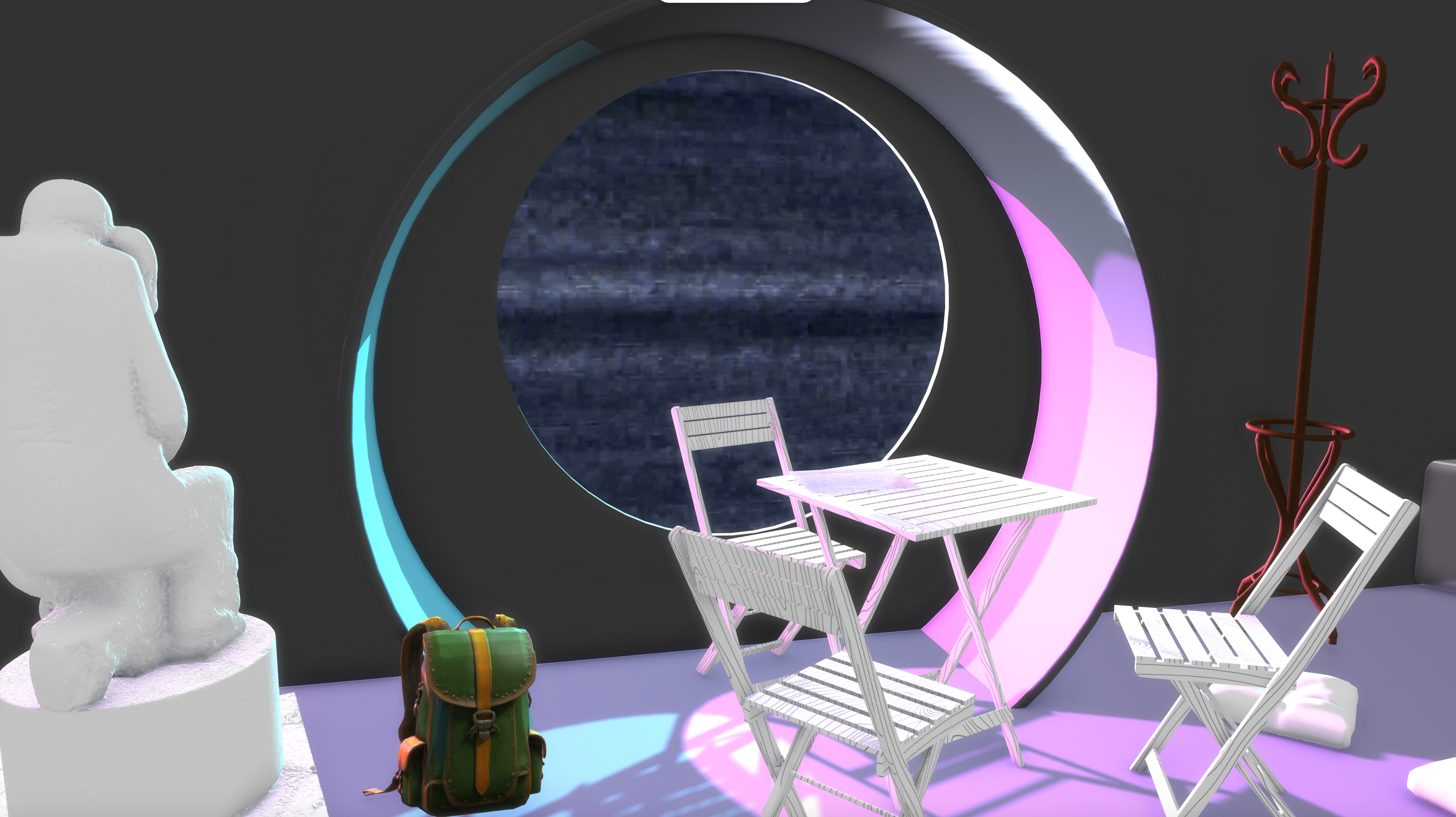
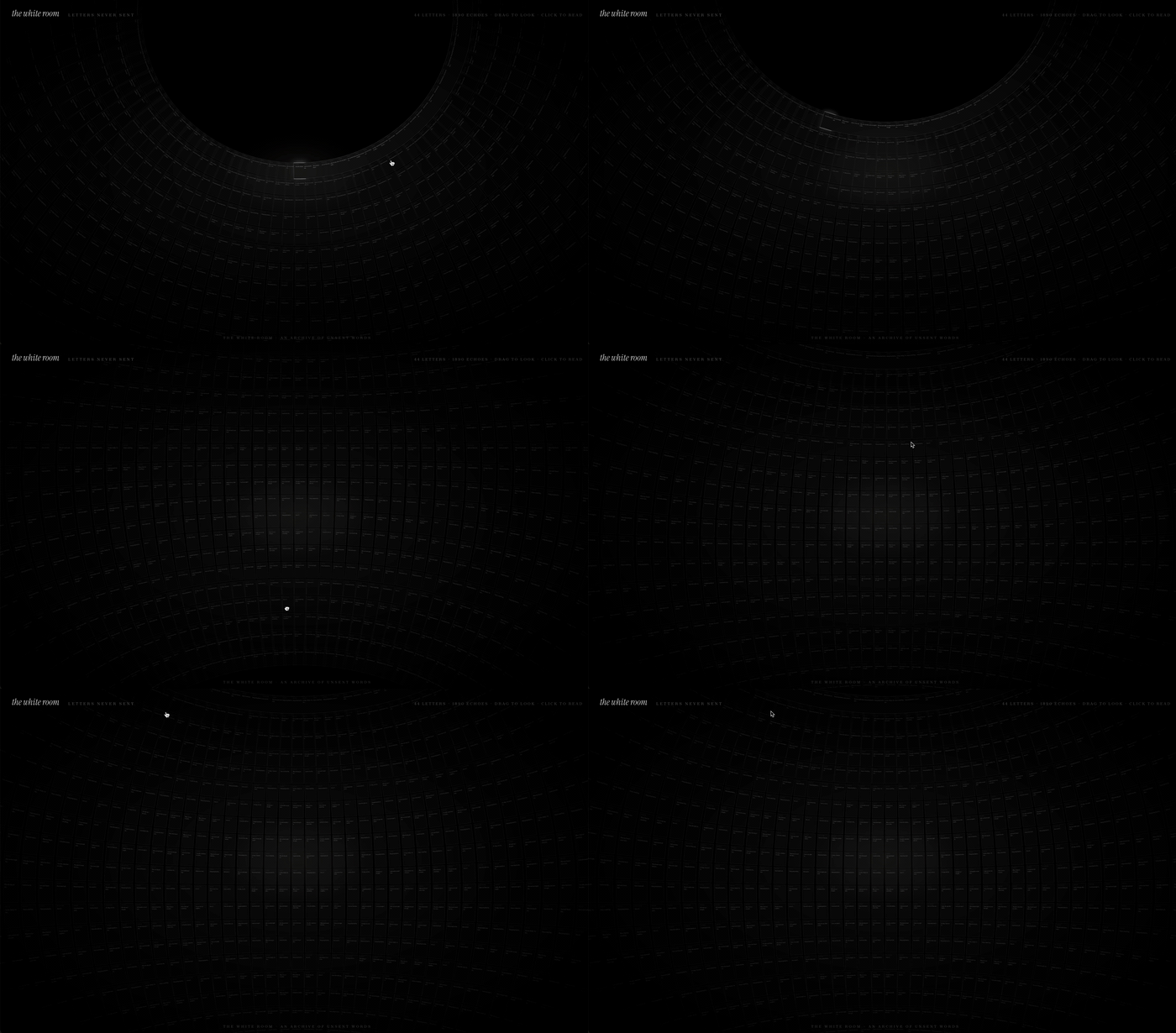
Players navigate five 3D rooms — a living room, two hallways, a party room, and a cafe-like room with a round arch and two chairs.
They draw oracle cards, write brief journals between rooms, and hold a six-turn conversation with an LLM voice conditioned on a twenty-eight-defense codebook synthesized through retrieval-augmented generation over clinical psychology literature, including Vaillant, Cramer, the DSQ-60 inventory, the DMRS-SR-30, and adjacent sources.
At the end, they complete a single sentence:
I often ___.
That sentence — embedded into 3,072 dimensions — becomes the player's address.
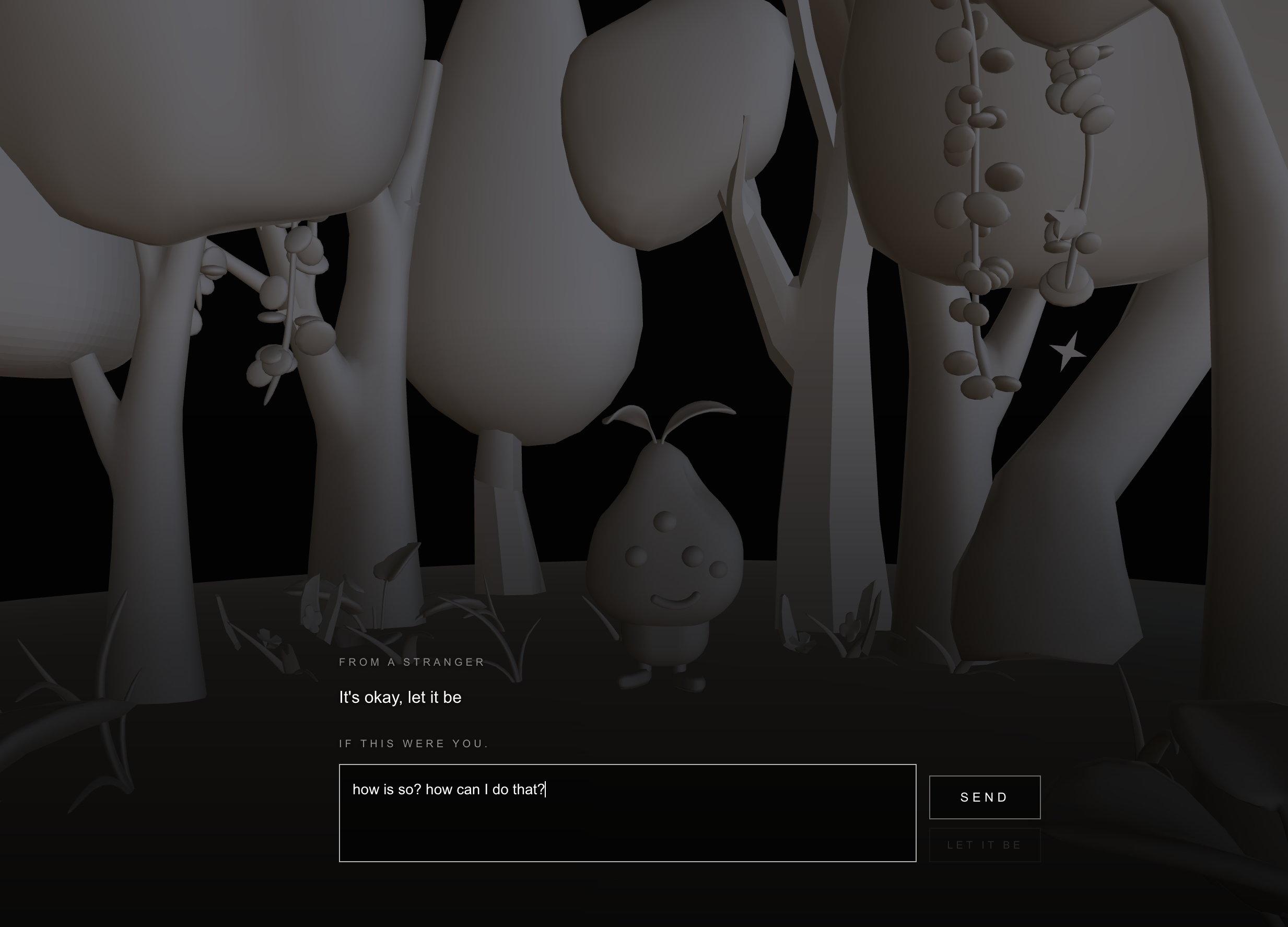
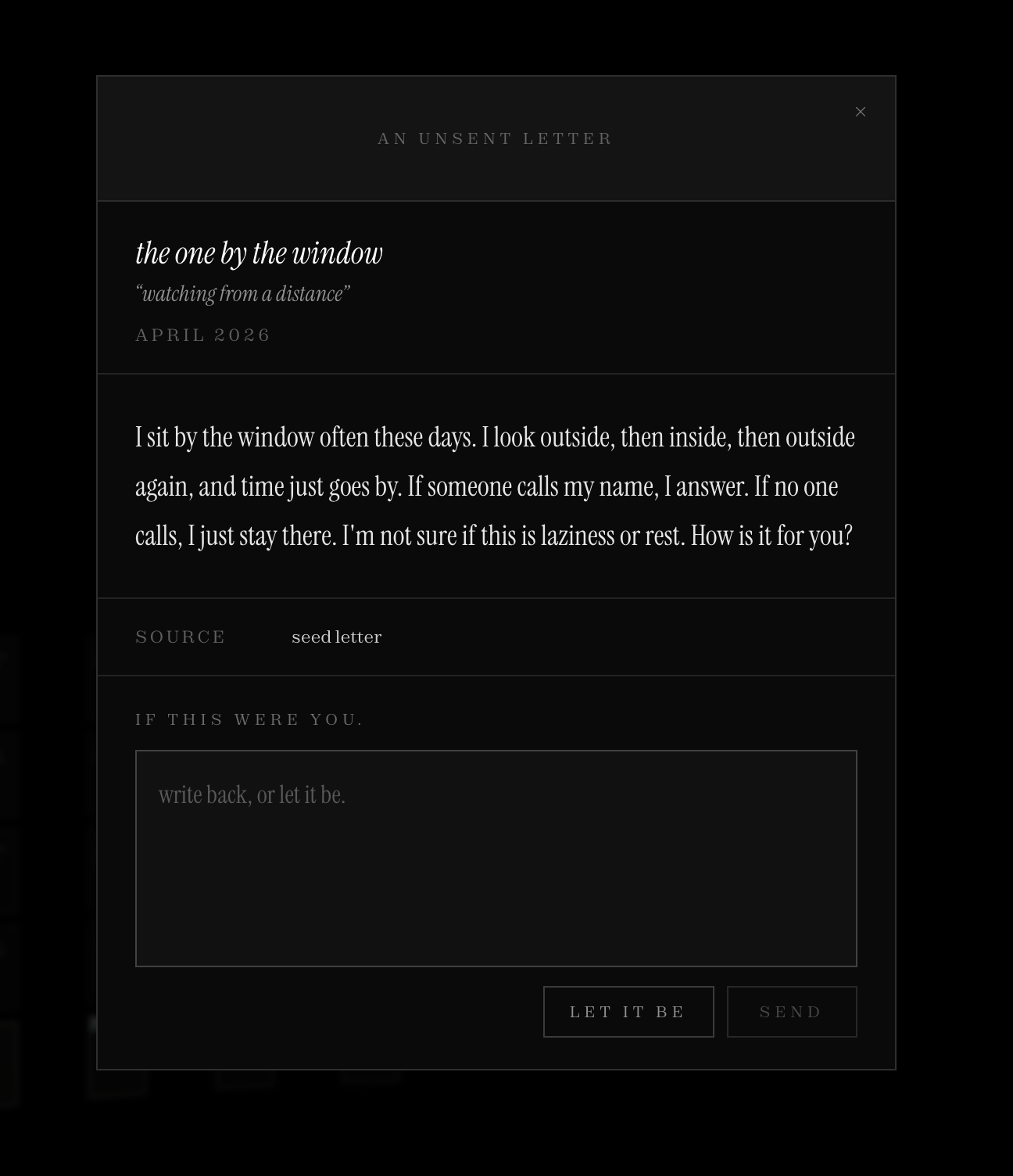
It routes them to a stranger's handwritten letter, drawn from a corpus tagged by the same defense categories.
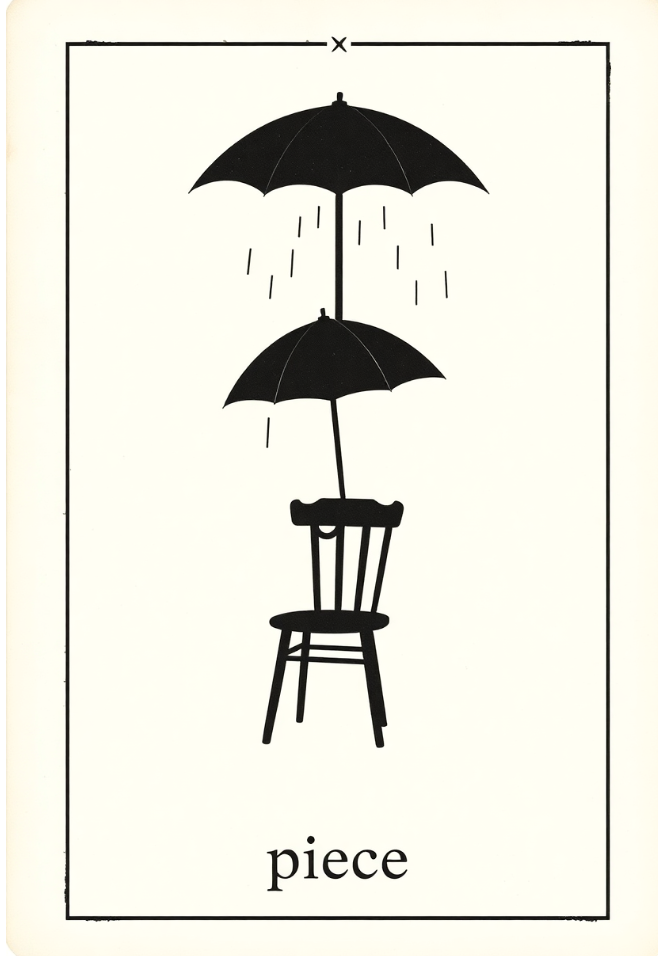
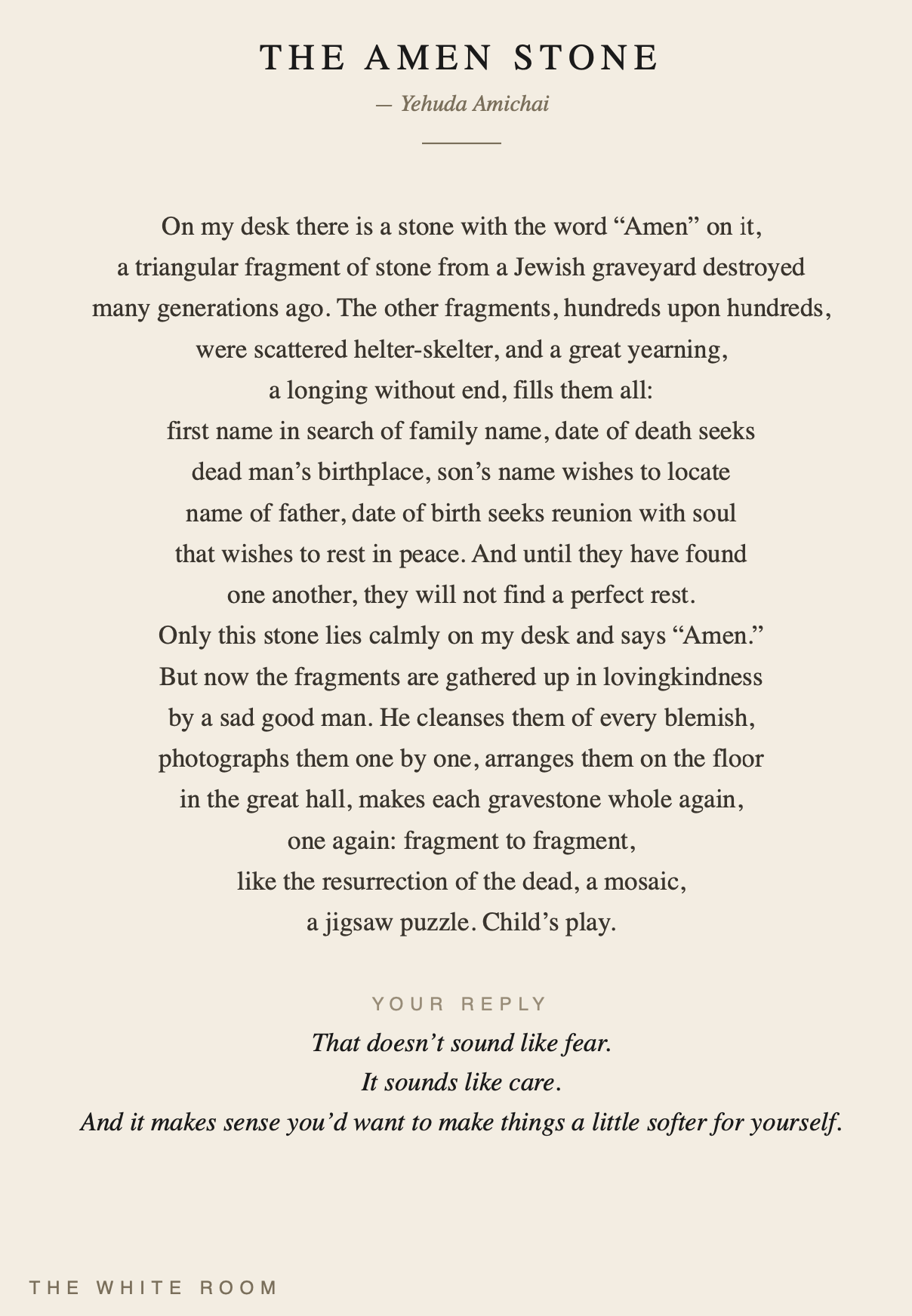
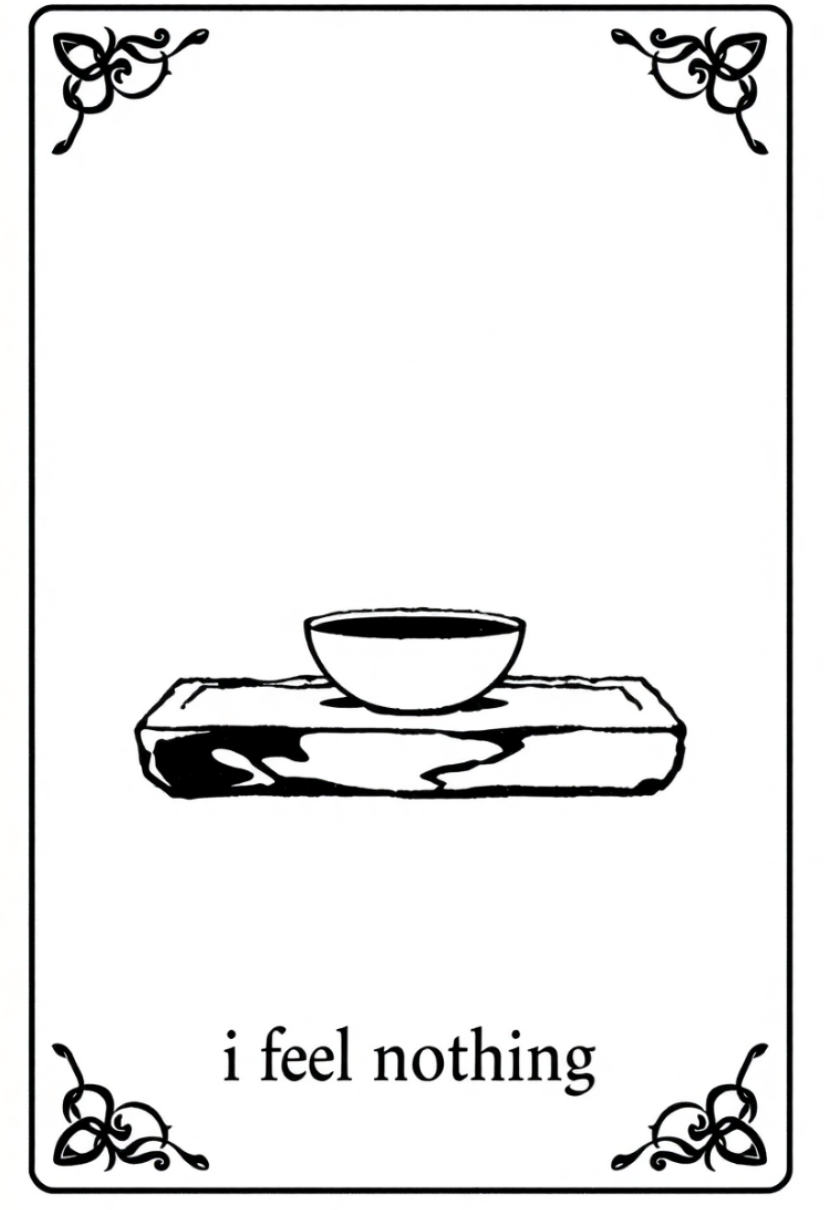
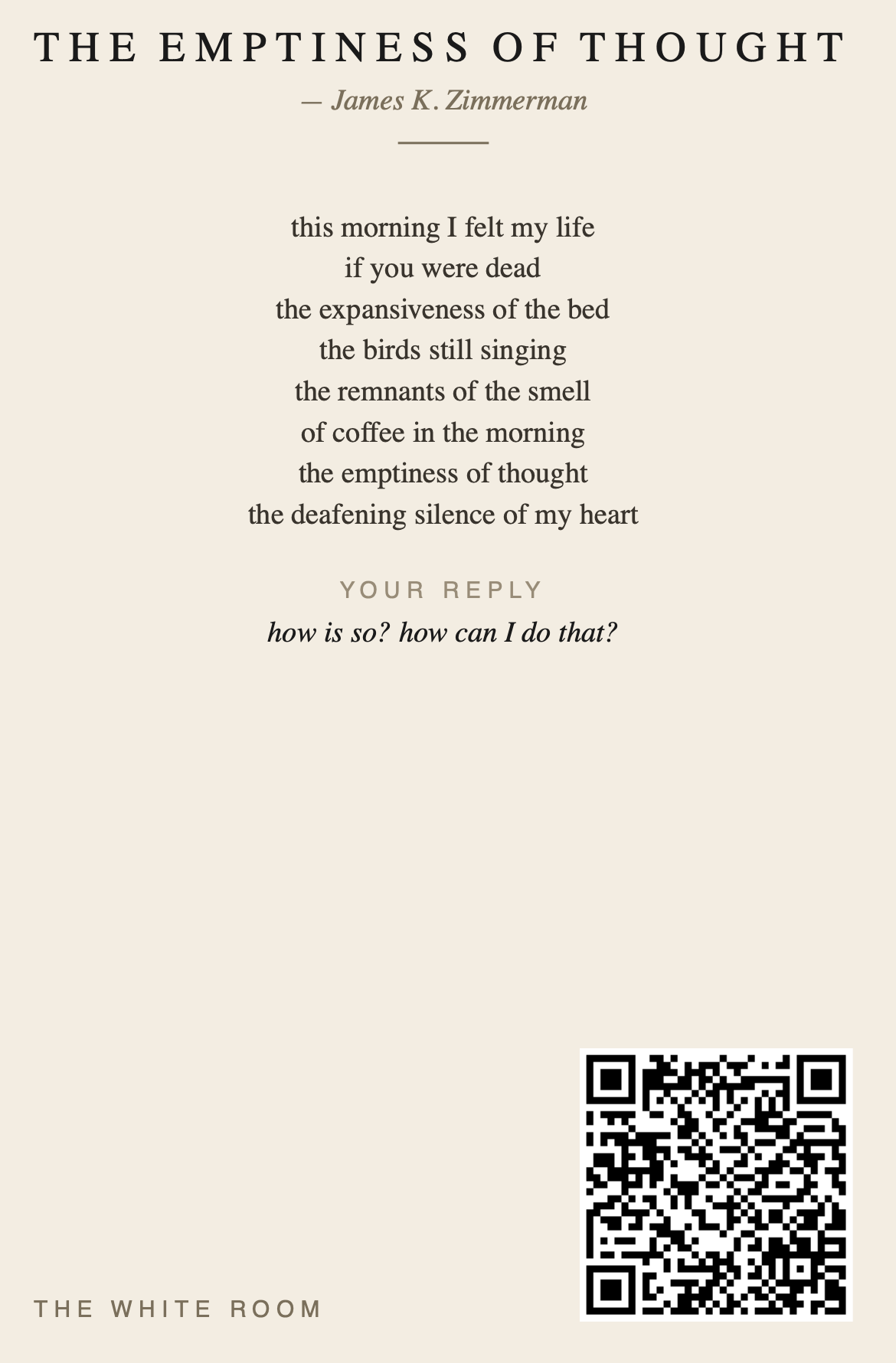
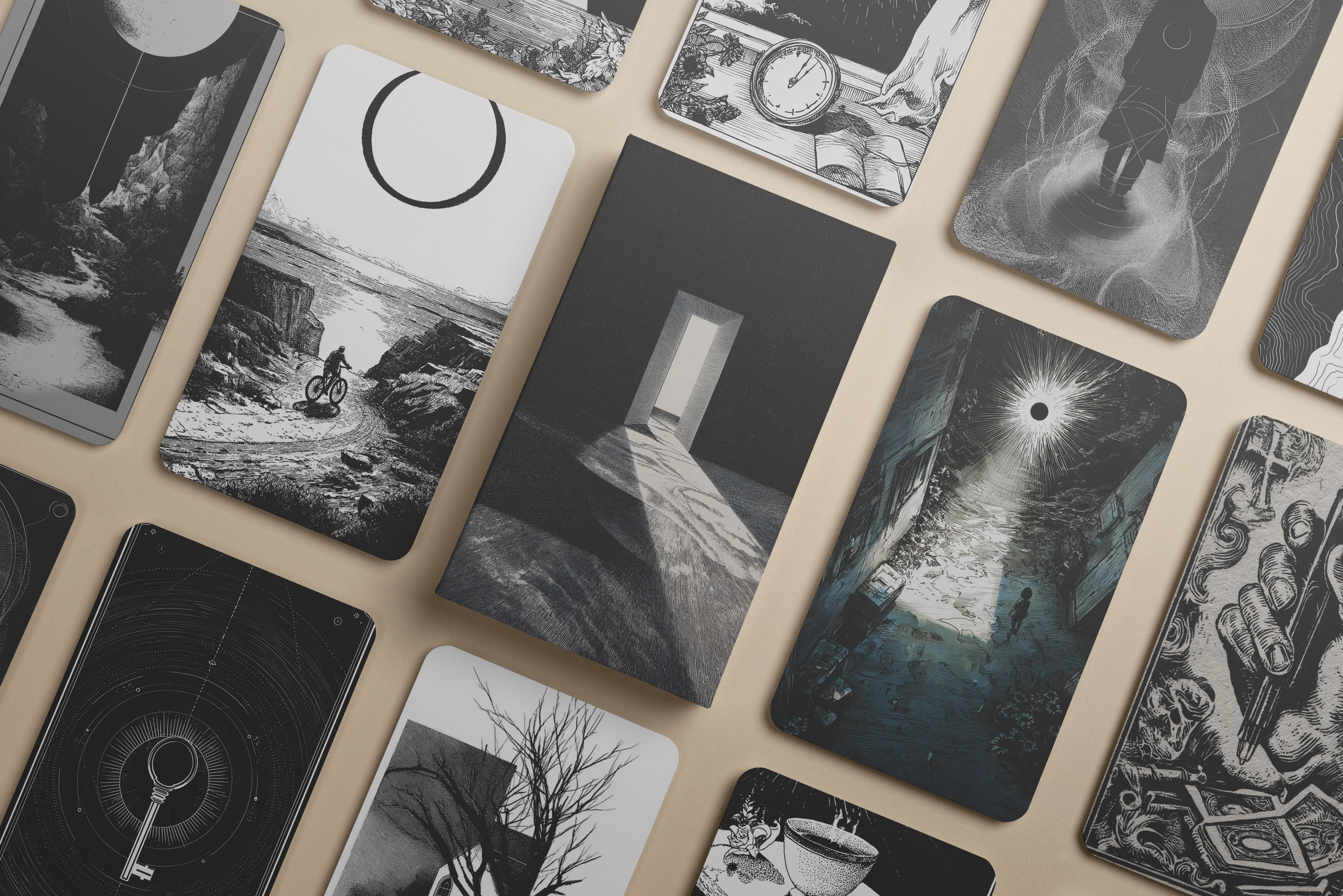
After the letter, each player receives their own card: an atmospheric image generated from the positive framing of their pattern, a matched poem from a curated poetry corpus, and a QR code that links them to a chain of strangers their session has joined.
Inside the engine, the player's responses are classified.
At the surface, every clinical word has been removed.
The talisman carries no diagnosis.
The letter arrives without a defense tag.
The poem is matched by category internally, but presented simply as a poem.
The classification engine produces an object that resists classification.
The system reads the player.
It does not read for the player.
Sitting with the card, reading the letter, completing the sentence, noticing what one has noticed — that work belongs to the player.
The White Room is a place where that work can happen.
From Within, Carefully
The difficult part of knowing oneself is that it cannot be known entirely from the outside, but it also cannot be known only from the inside.
To see one's own defense, one almost always needs a mirror — an object, a person, or a moment that reflects it back.
But the mirror has to be the right kind.
A mirror that names you — "you are an avoidant attachment type," "your neuroticism score is 0.74" — freezes the act of seeing.
A mirror that places you before a stranger's letter about a similar pattern, written in that person's own language, works differently.
It does not name you.
Instead, it leaves you room to interpret yourself, and the feeling that you are not alone.
The method I have chosen is not to reject the system from the outside, but to enter it and redesign it from within.
Rejection may be the easier critical position. But rejection alone does not change the system. It often leaves the system intact, in the hands of those who will use it without question.
Working from within is harder. It requires building the very structure being critiqued, and turning its mechanisms toward a different purpose.
But because of that, the critique does not remain only in writing.
It becomes a room the player passes through.
A card held in the hand.
A letter arriving from a stranger.
The critique is not explained.
It is experienced.
The runtime that players experience can last anywhere from two to twenty minutes. But beneath that surface are more than twenty Python pipeline scripts and over ten SQL migrations.
This offline infrastructure builds the codebook, choice library, poetry corpus, and letter data that the game depends on.
The codebook was read and revised by hand.
The choices were not generated; they were authored.
The poems were not merely collected; they were curated.
The runtime feels fast and atmospheric because the pipeline beneath it is slow and intentional.
The lightness of the surface is made possible by an invisible weight. And in many ways, that invisible weight is part of the work itself.
We each paint the world in our own style — the style of our defense mechanisms. For some, it appears as a rough black-and-white noir; for others, a vivid comic. What matters is knowing what your style is — because only then can you truly connect with others' worlds.
Three streams, one timeline.
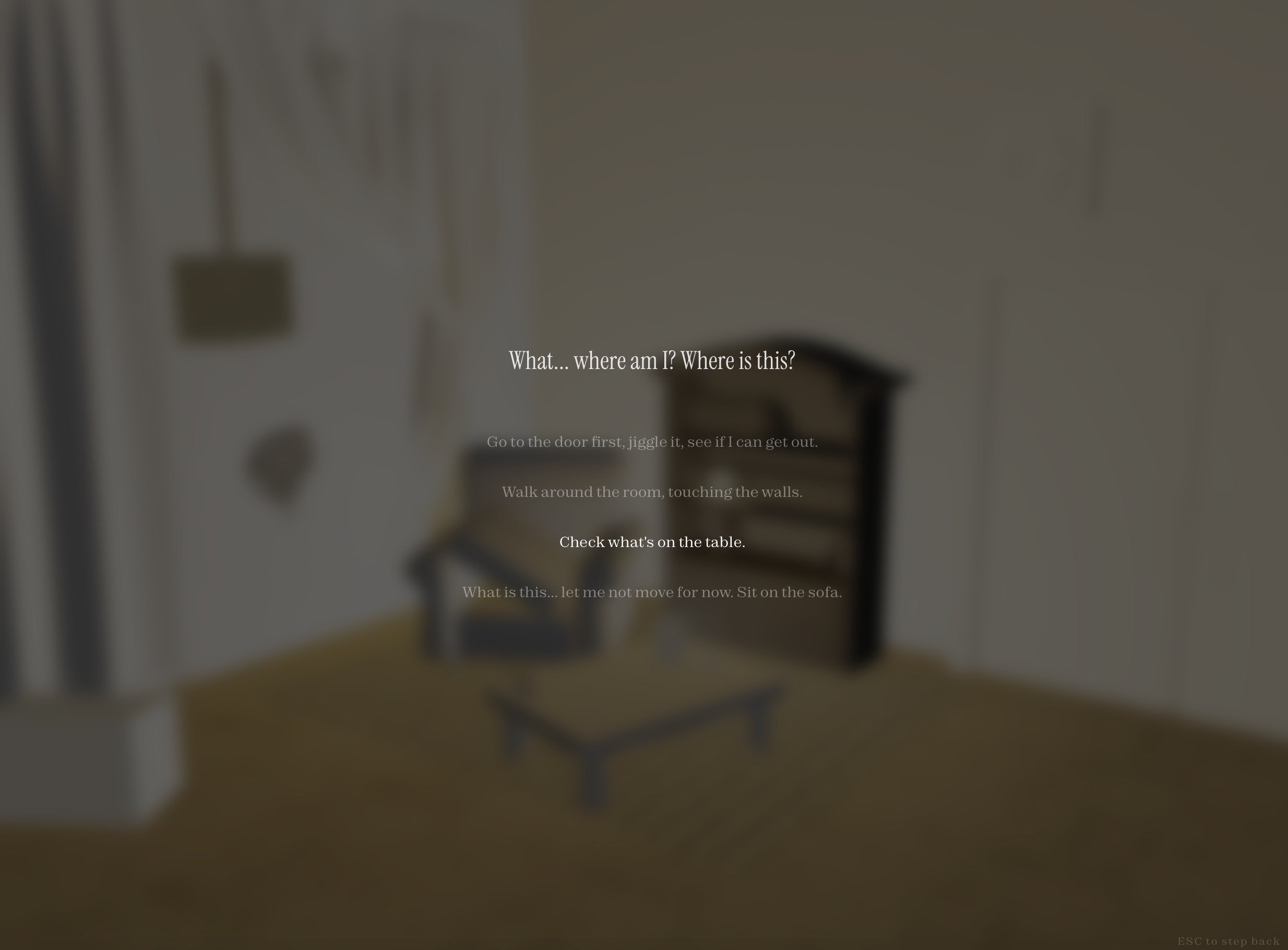
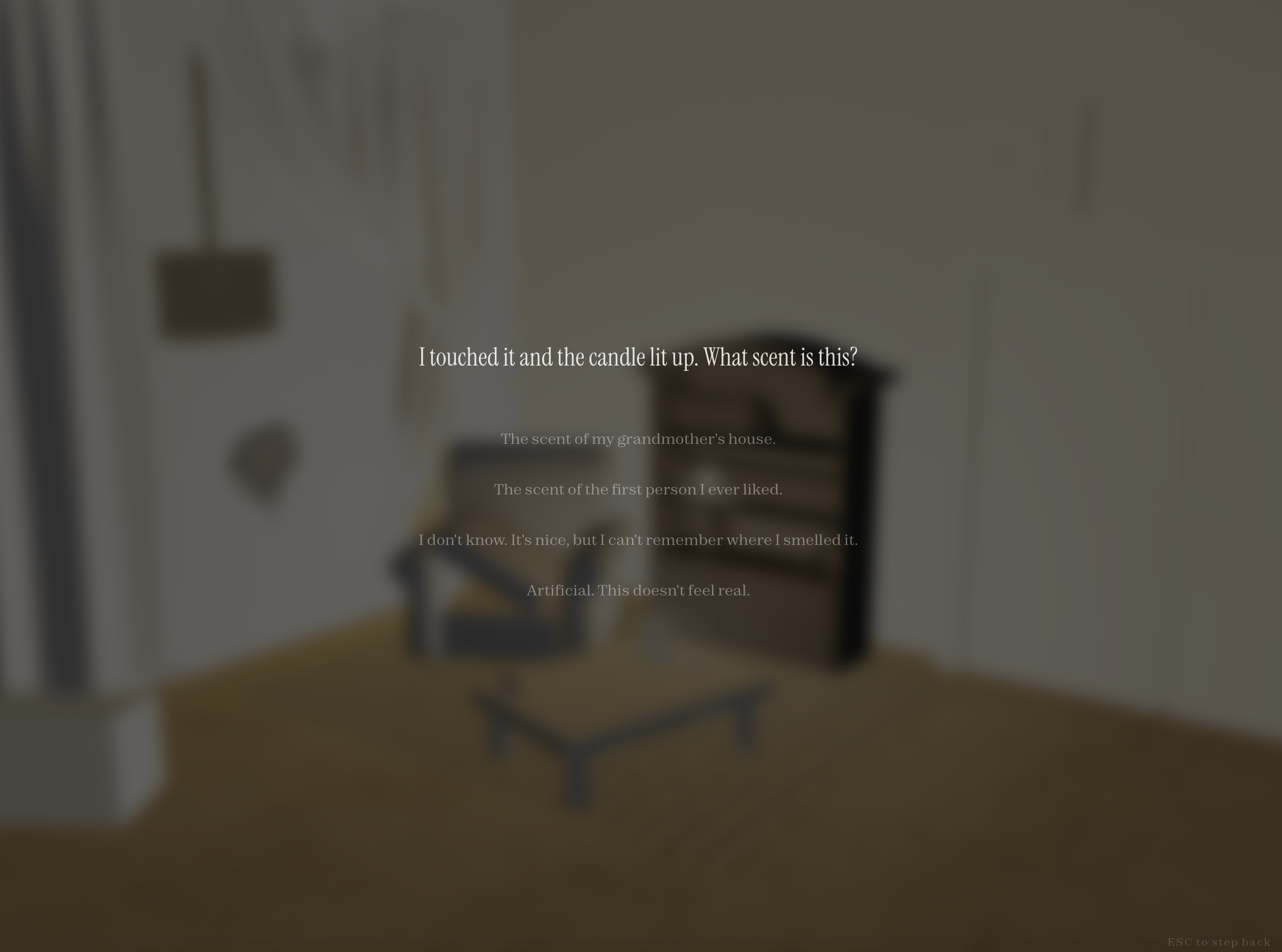
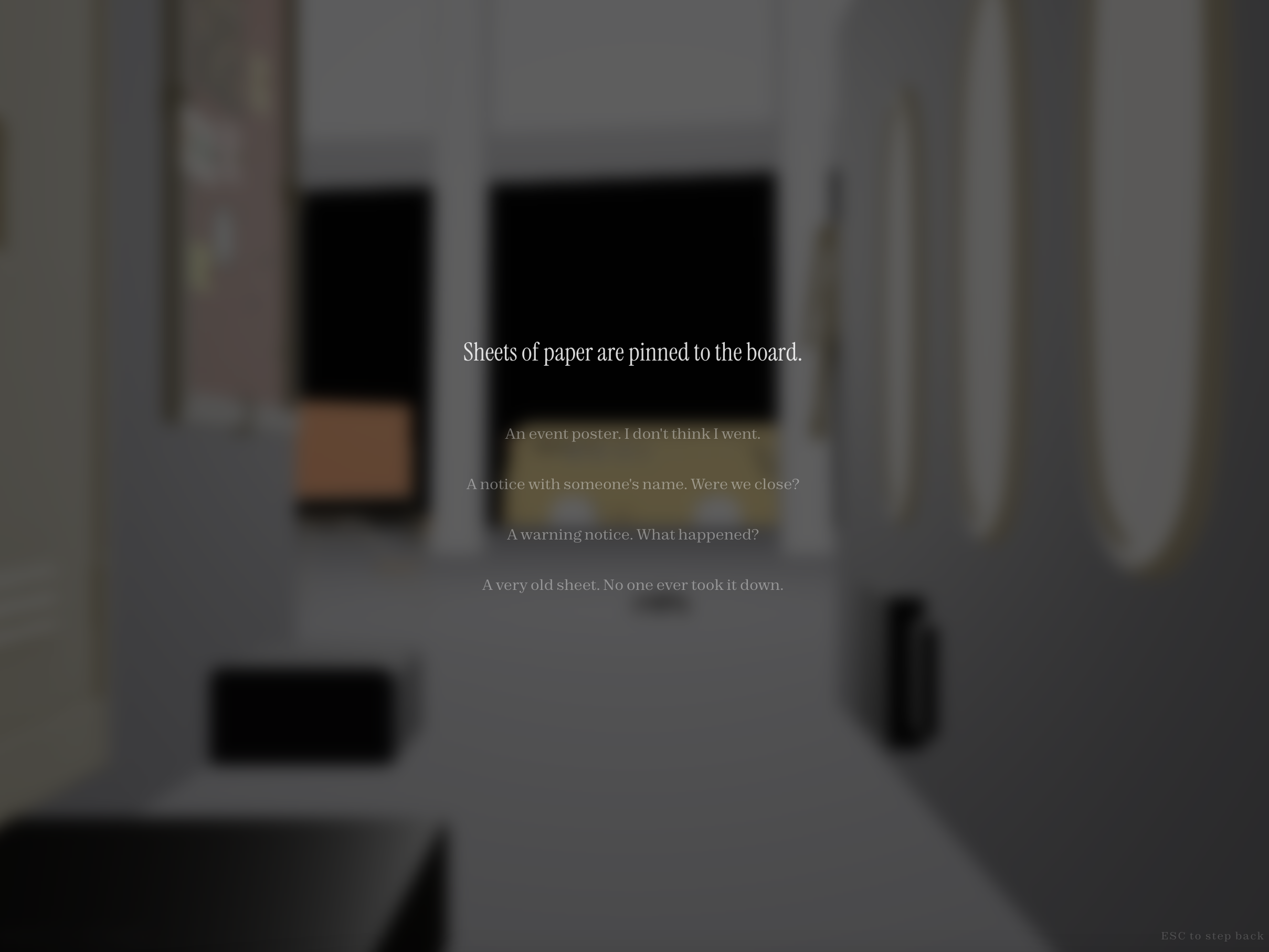
Behavior — every click, hover, and dwell — is captured as a timestamped event.
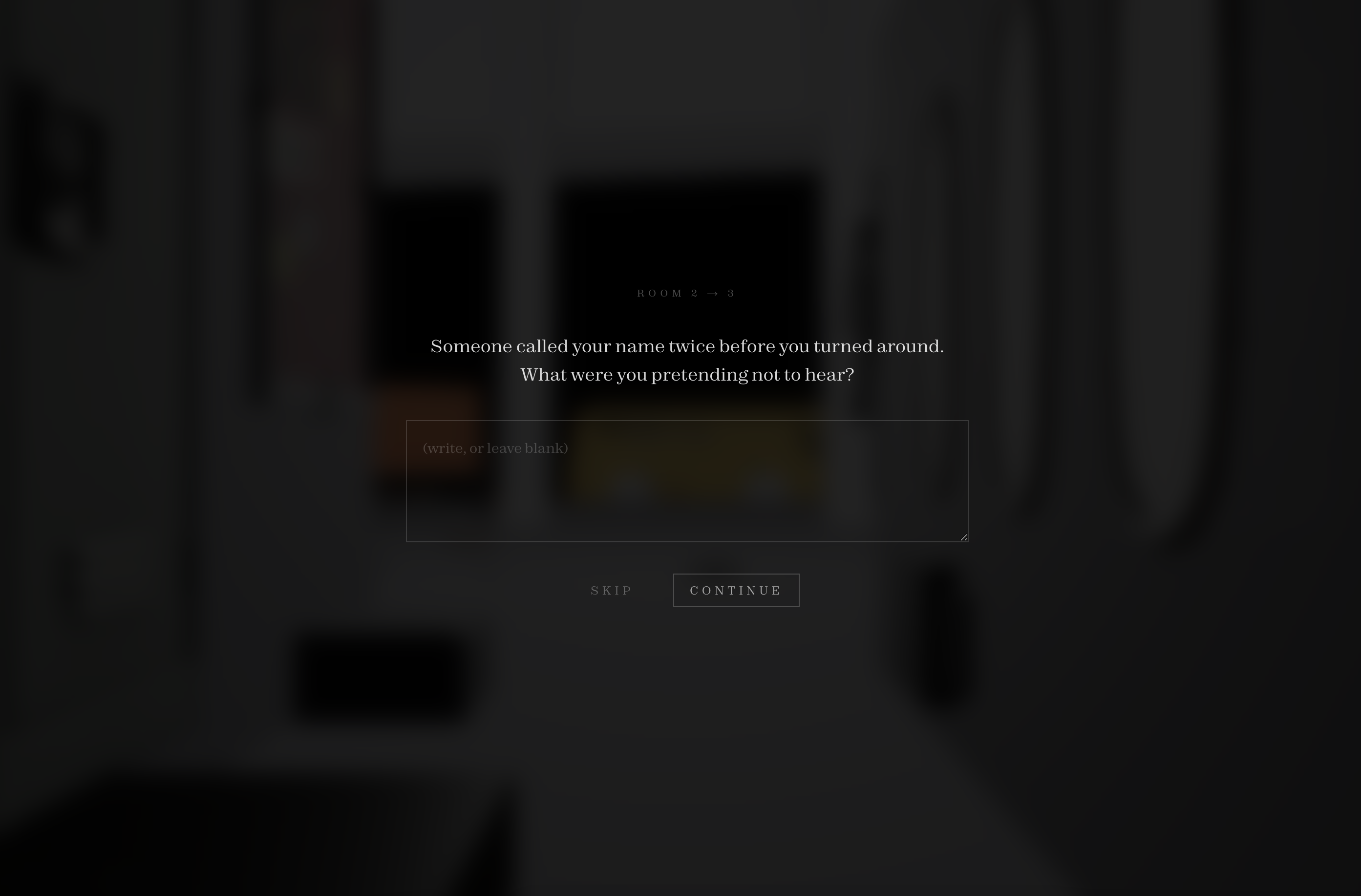
Narrative — every response to oracle cards, projective stimuli in the tradition of Murray and Morgan's Thematic Apperception Test, journals, and prompts — is coded along three axes: metaphors, operations, and motifs, and structured through the DMRS-SR-30.

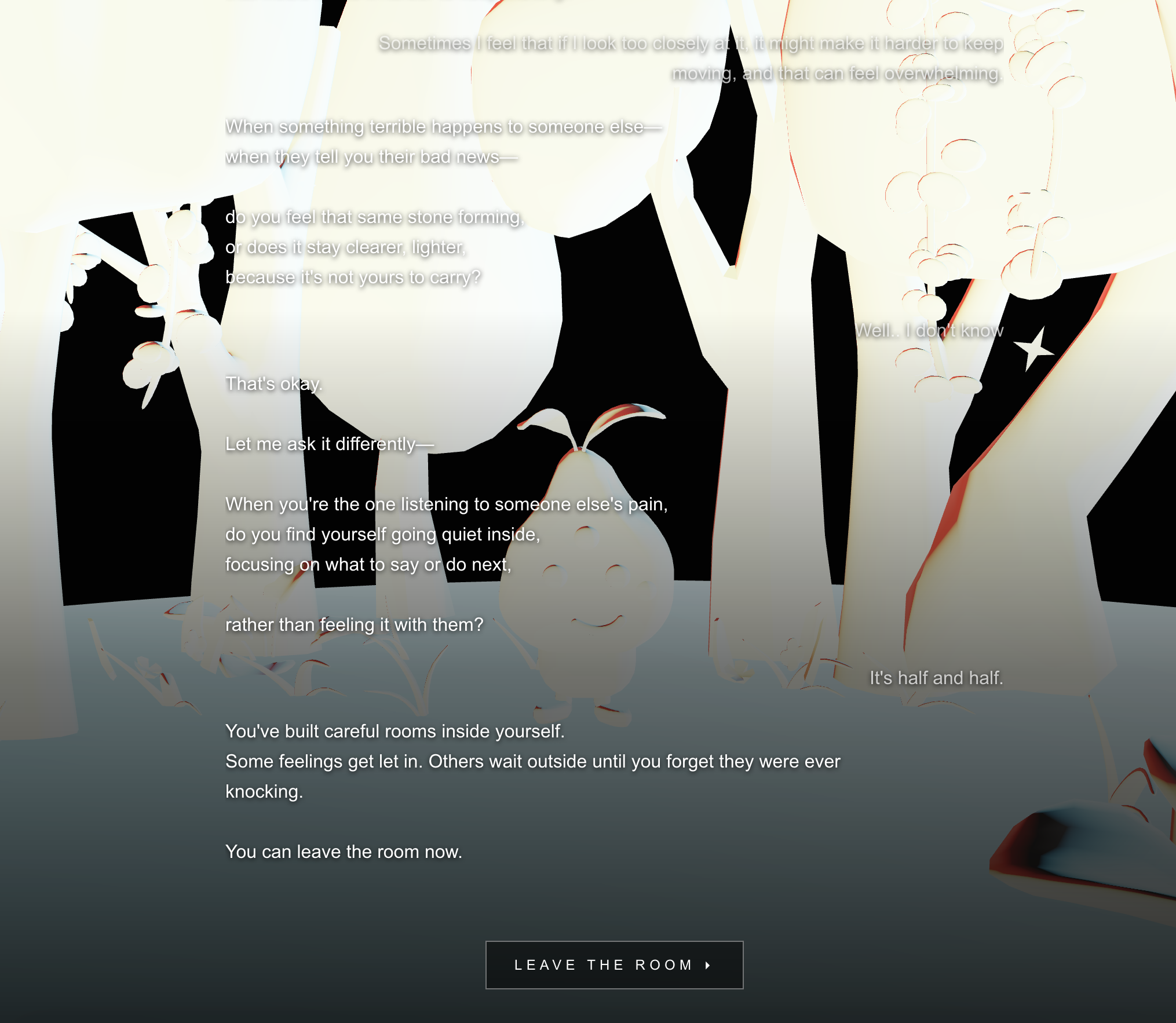
Dialogue — six LLM turns modeled on Motivational Interviewing — runs as its own stream.
The three are aligned to a shared time axis, but never forced into agreement.
Where they converge, a pattern surfaces.
Where they diverge, the discrepancy is preserved.
The output is not a single label, but a map of where behavior, narrative, and dialogue pull in different directions — the texture from which the session's defense profile is read.
What I Hope
I do not believe this project saves anyone.
Becoming conscious of one's own patterns is long work, and ultimately, it belongs to each person.
What I hope this project offers is one moment within that process.
A moment shaped by play rather than diagnosis.
By quiet companionship with strangers rather than expert judgment.
With the final interpretation left in the player's hands.
Beyond that, I hope more of us begin this work.
I hope it changes, even slightly, the way we treat one another.
I hope we stop calling our patterns fate, and begin to see them for what they are.
Further still, I hope this framework can extend beyond emotion into the broader landscape increasingly called algorithmic recognition.
Every domain that treats measurement as knowledge has its own 한 and liget — its own forms of life that do not fit the schema.
Where schemas reach, thoughtful intervention can reach too.
Players navigate their inner labyrinth through choices and conflicts — a form of psychological navigation within mental space.