HAI, A Garment Intelligence System
Chelsea Hai
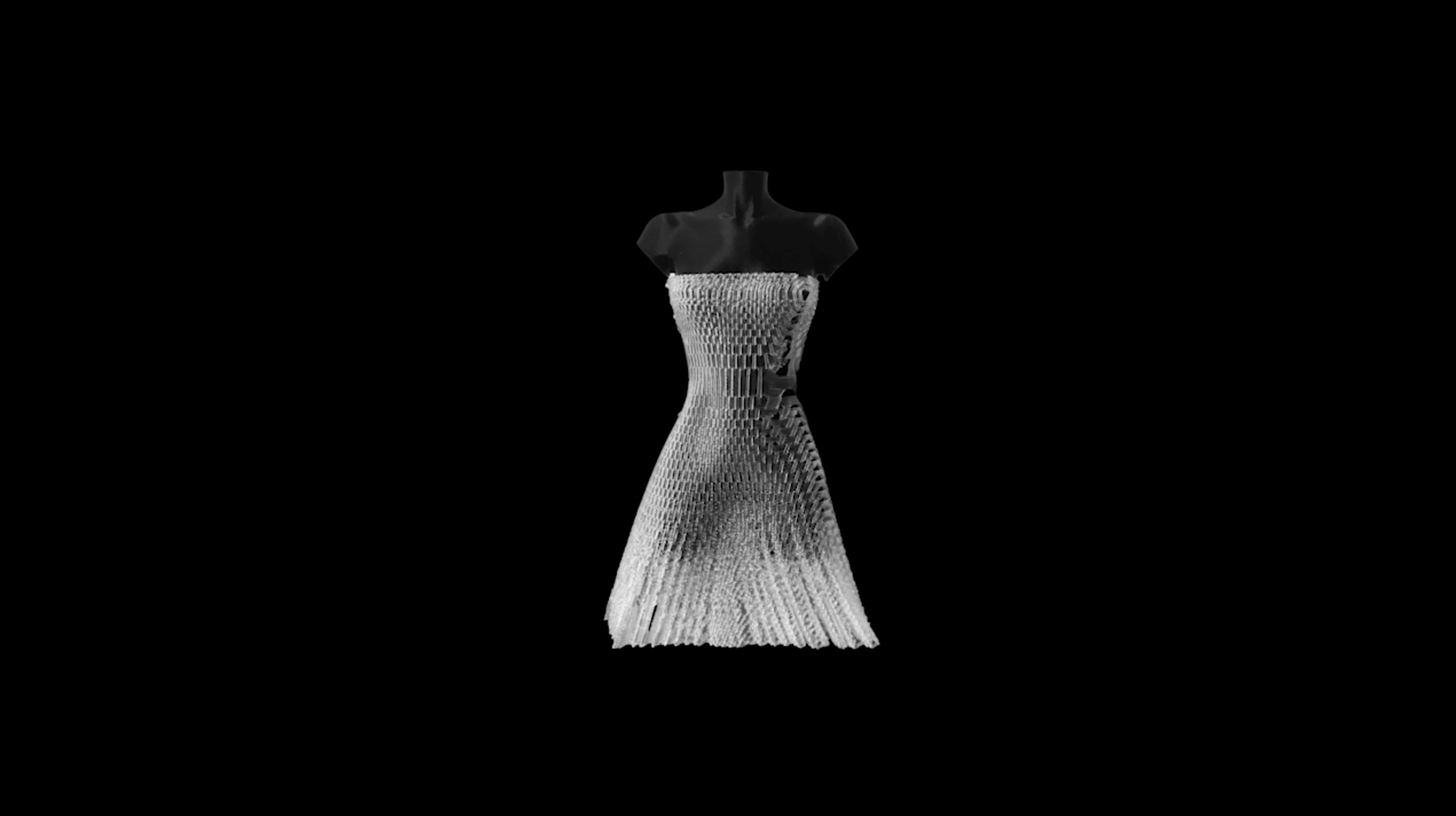
This page mirrors the review_proposal documentation: the same narrative, media, and structure as the live site. The embedded view below is the full interactive experience (layout, scroll, and pipeline diagram). Under it, the same content is reproduced as static text, images, and videos so it remains readable even if embedding is blocked.
Interactive documentation (full site)
If the preview does not load, open the full documentation in a new tab.
Intro
"Every garment is a brand new start."
A system that listens, computes, and translates human context into what we wear.
Human Context + Computational System = Fabricated Garment + Adaptive Experience
Theme
Q: What is the context this project begins with?
A: Fashion, or ready-to-wear garments are built on many decisions, while people and environments are changing all the time. This system recognizes that difference, and tries to propose an alternative relationship.
Q: How does the system involve the wearer?
A: The wearer's physical body and daily context become the beginning of the design logic, so each garment iteration reflects the life it was made for.
Q: How is data used here?
A: Data acts as a design material, environmental, spatial, bodily, and emotional inputs collectively shape the garment form.
Q: How does this system reinterpret garment function?
A: Function becomes responsive rather than assigned. The hope is to bring function, aesthetic, and fabrication of the garment as one process.
Q: Why 3D printing?
A: It replaces the finality of cut fabric, allowing material to be formed, used, recycled, reclaimed, and reformed, without waste. Material circularity and on-demand fabrication can both contribute to a more sustainable industry.
Q: What does this mean culturally?
A: It shifts fashion away from hierarchy to a shared authorship between experience, environment, and design.
Q: And what does this system propose for the future of wear?
A: A circular, computational process where garments continually evolve alongside the people who live in them.
Pipeline (static reference)
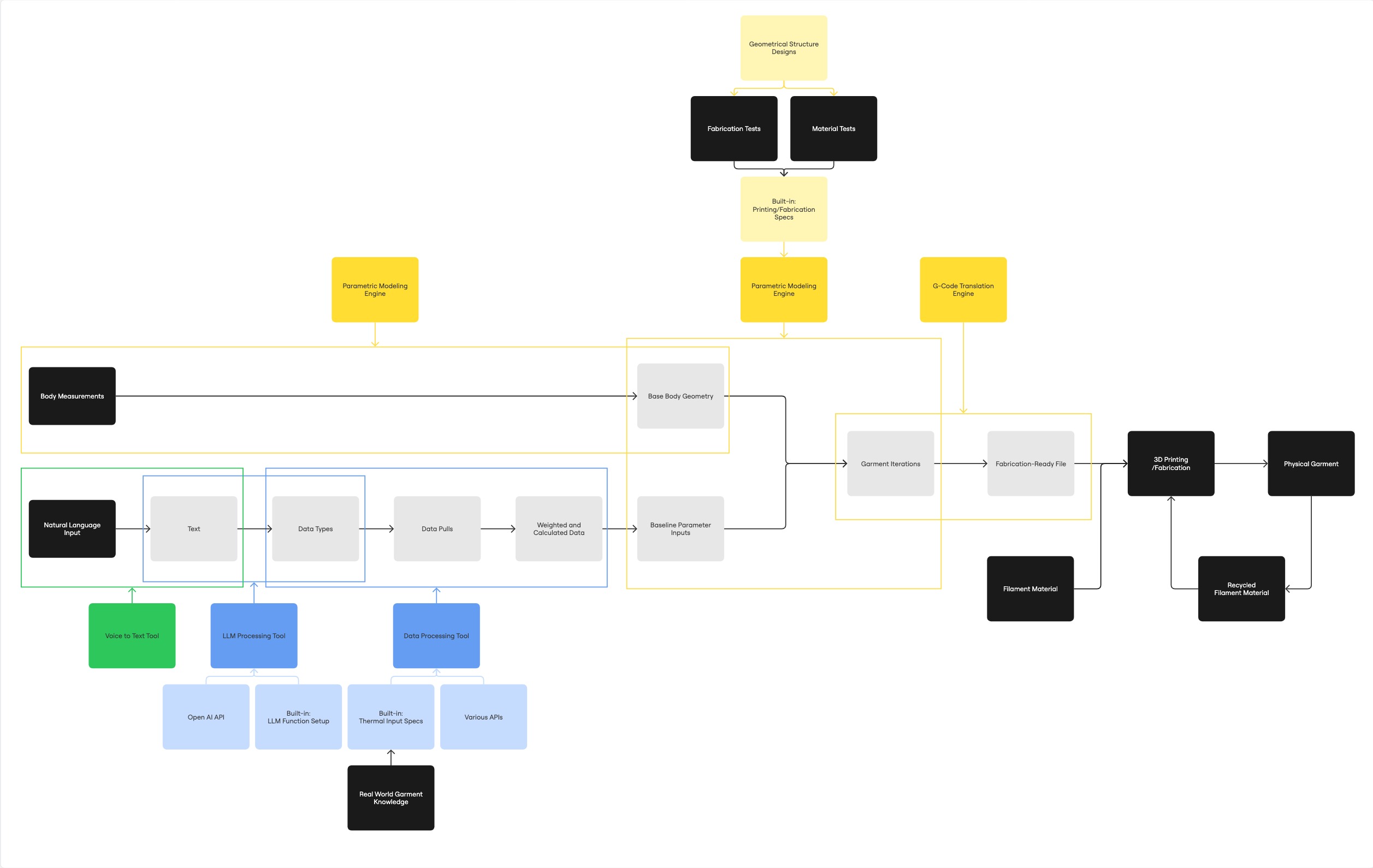
The live site includes an interactive tech pipeline map (React). Below is the same pipeline map graphic used on the site.
The body input
THE BODY INPUT
The system offers two solutions, 3D scanning the body or simply put in your measurements.
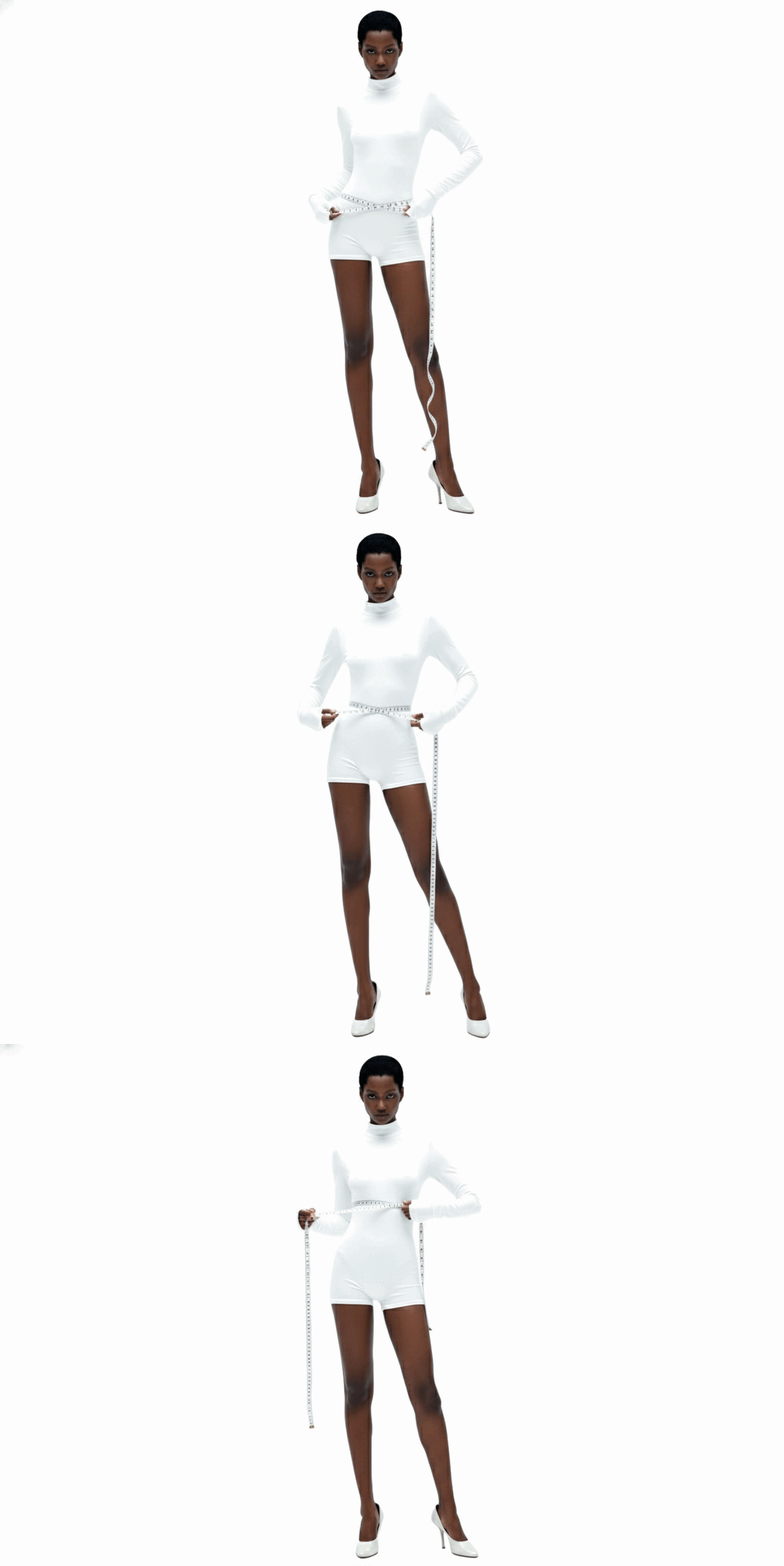
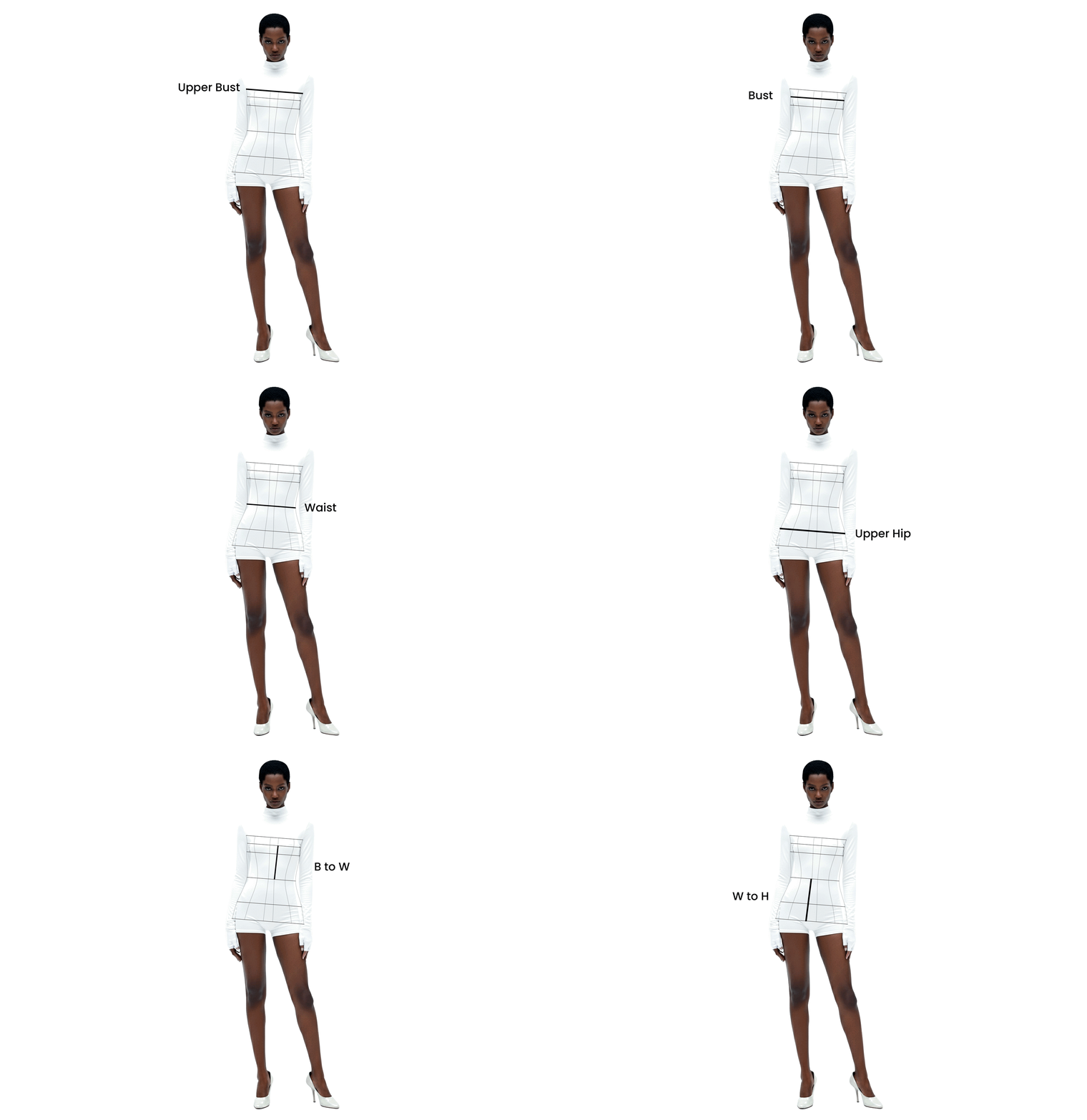
Measure yourself for
- Upper Bust 78
- Bust 80
- Under Bust 74
- Waist 60
- Upper Hip 78
- Hip 90
- B to W 13
- W to H 20
The data forms a live parametric model that updates in real time.

This step establishes the baseline geometry for garment generation.
The context input
THE CONTEXT INPUT
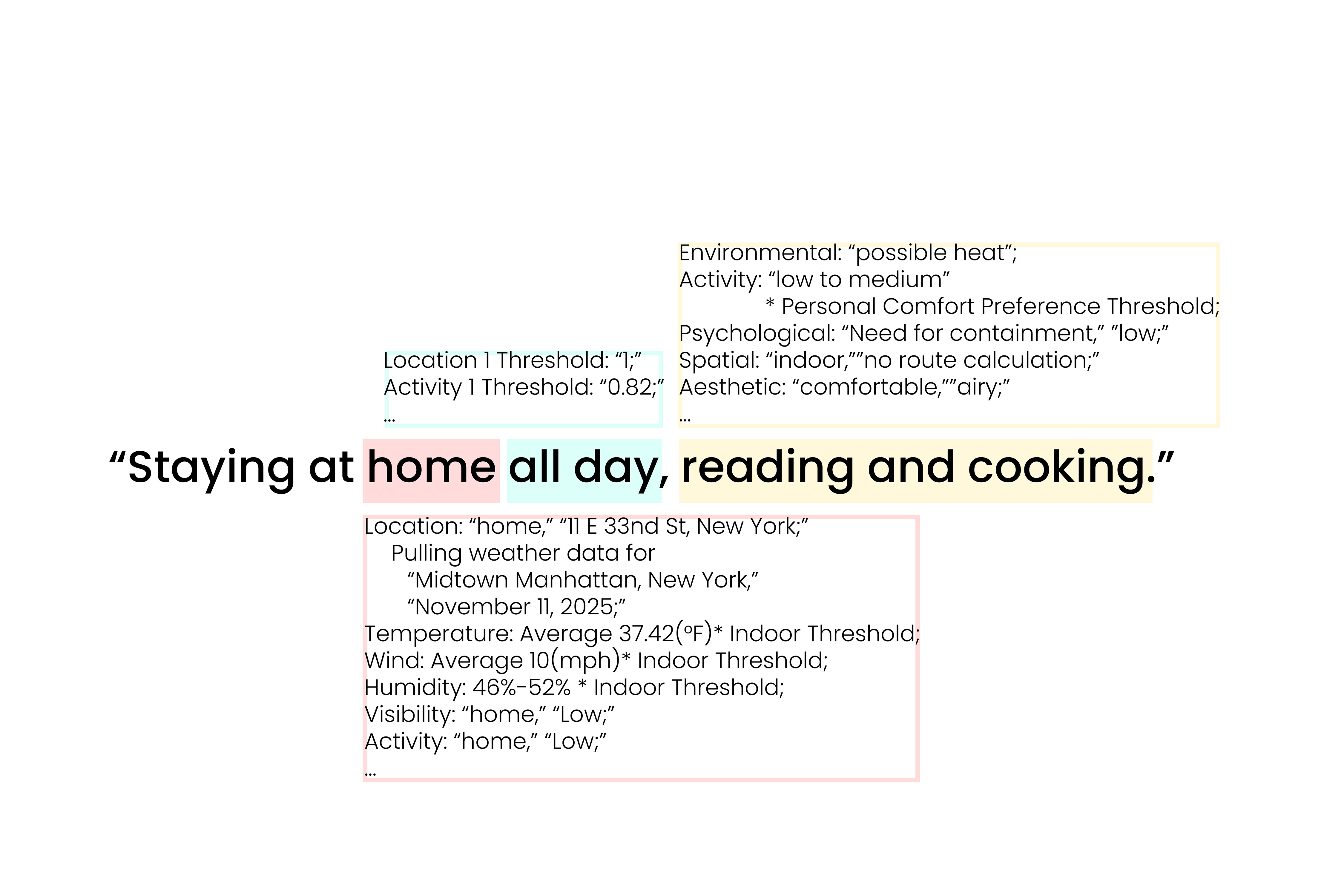
Simply answer the question
"What are you doing for today?"
The system reads your context, processes it, pulls the relevant data, and calculates what you need to wear for that day.
Fit
Fit = 1 - [0.30 × temp_norm - 0.25 × activity_norm + 0.15 × (1 - comfort_pref_norm) + 0.20 × containment_norm + 0.10 × spatial_norm]
Mesh
Mesh = 0.35 × temp_norm + 0.25 × (1 - activity_norm) + 0.20 × formality_norm + 0.20 × aesthetic_norm
Thickness
Thickness = 0.50 × temp_norm + 0.25 × wind_norm + 0.25 × exposure_norm
Airflow
Airflow = 1 - [0.35 × temp_norm + 0.25 × humidity_norm + 0.25 × activity_norm - 0.15 × outdoor_norm]
Support
Support = 0.35 × demand_norm + 0.25 × stability_norm + 0.25 × formality_norm + 0.15 × wind_norm
Example parameter readouts (first block): Fit 0.73, Mesh 0.42, Thickness 0.89, Airflow 0.15, Support 0.67.
Second block: Fit 0.31, Mesh 0.58, Thickness 0.94, Airflow 0.26, Support 0.81.
Third block: Fit 0.52, Mesh 0.19, Thickness 0.76, Airflow 0.38, Support 0.64.
Fourth block: Fit 0.47, Mesh 0.83, Thickness 0.29, Airflow 0.56, Support 0.92.
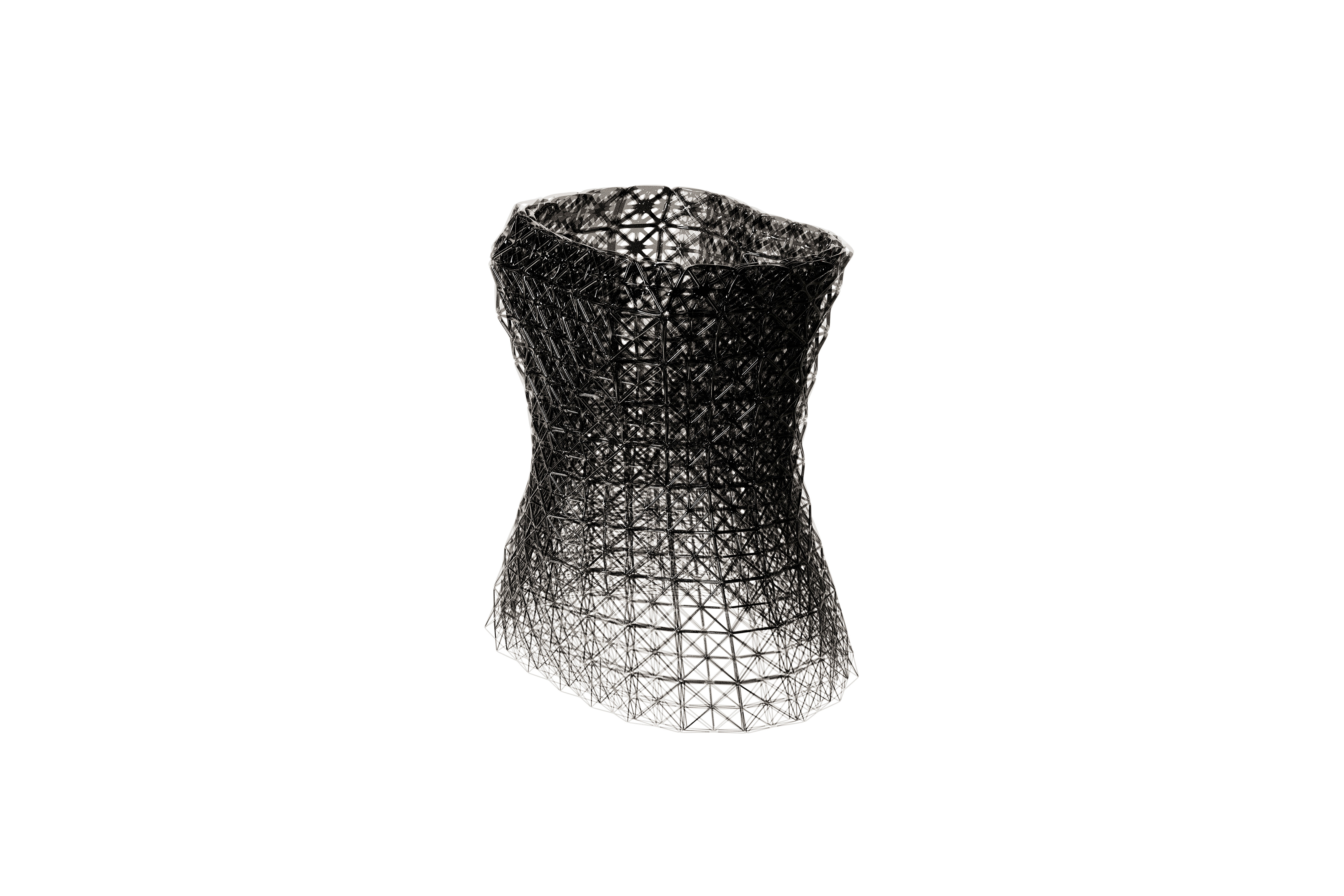
The garment generation
THE GARMENT GENERATION
The fabrication
THE FABRICATION
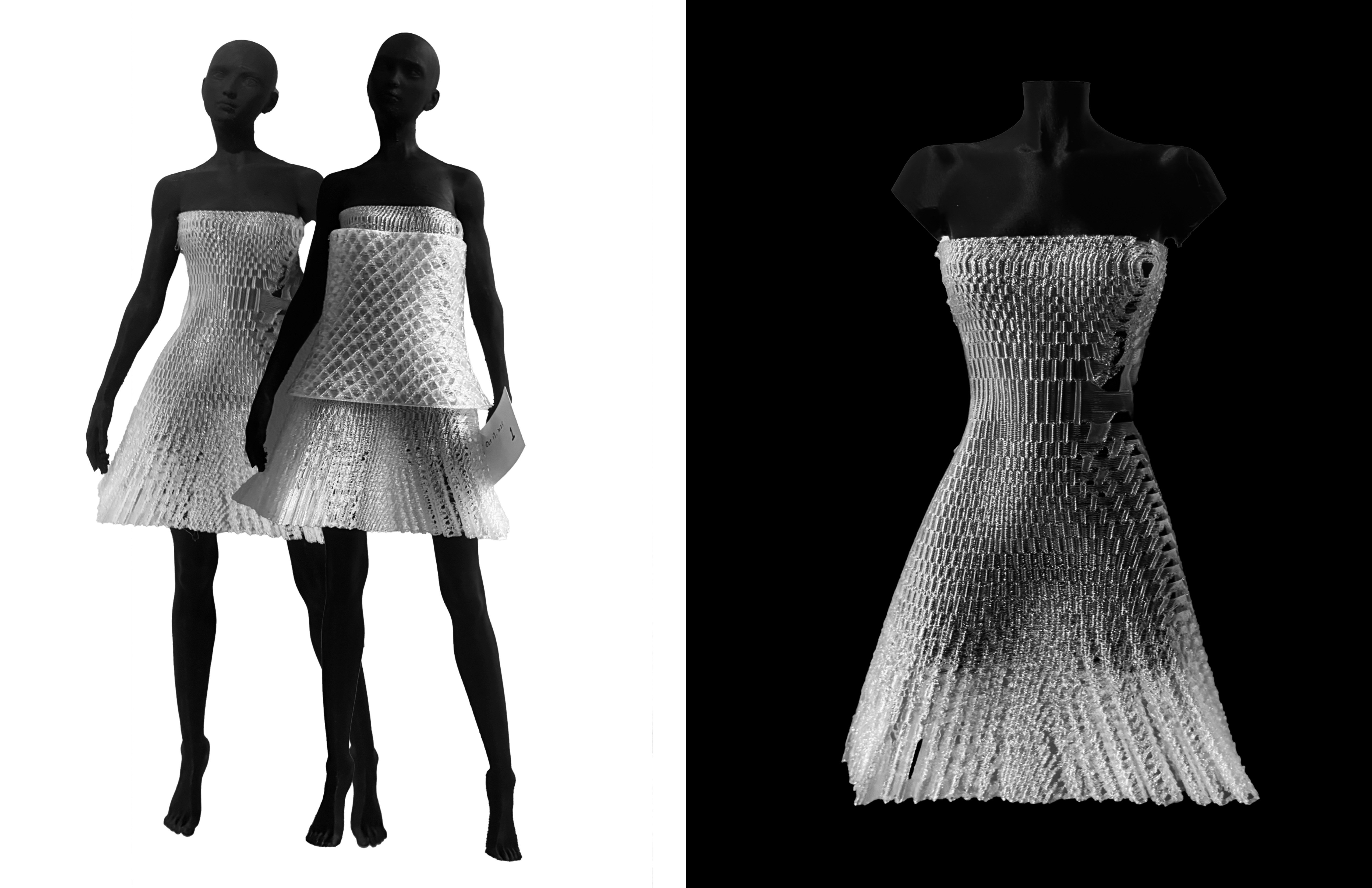
The generated geometry compiles into print-ready code.
Printed in flexible TPU, each layer follows the parametric form exactly.
Localized fabrication compresses the lifecycle, no global shipping, no mass storage, no distance between maker and wearer.
Shorter cycles, smaller footprint, stronger connection.
Data → Geometry → Code → Print → Wear
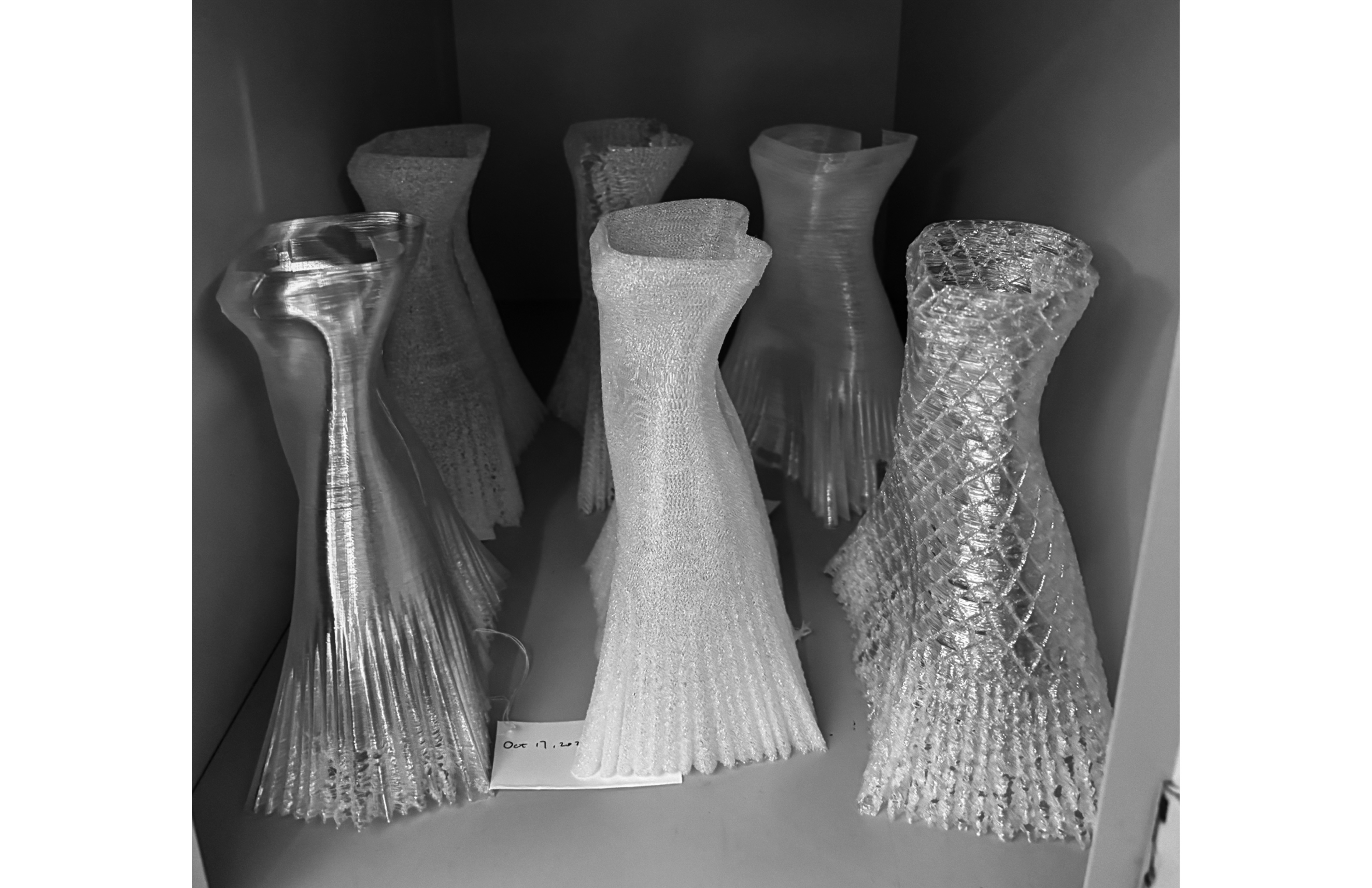
Additional fabrication sequence video appears on the live documentation site (Sequence 02.mp4 in the source project).
Impact
Each garment is generated from the context of life itself: weather, movement, emotion, intent, and more. It's not fashion reacting to trend, but form reacting to existence.
Instead of searching for identity, the wearer creates it. Instead of fitting into a system, the system fits around them.
The body becomes the designer. The garment becomes the record.
Picture grid

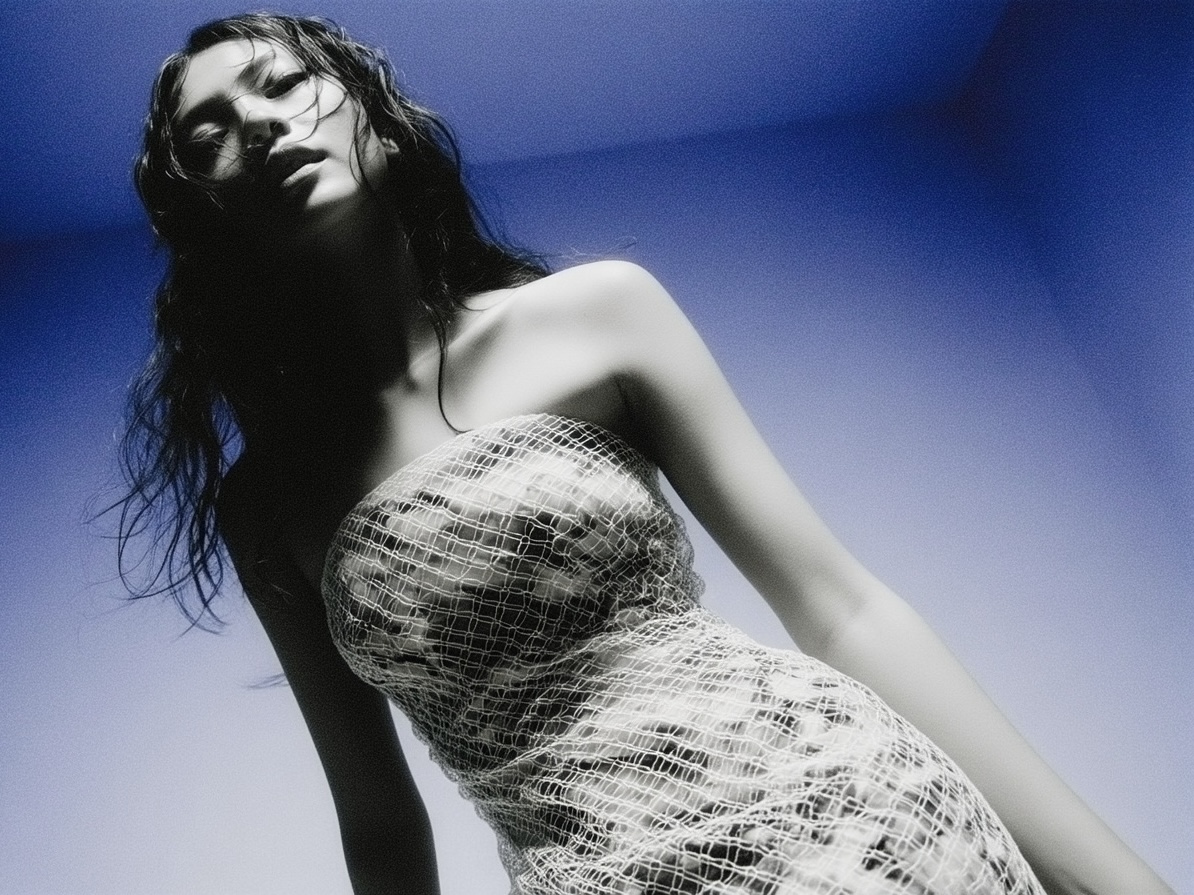

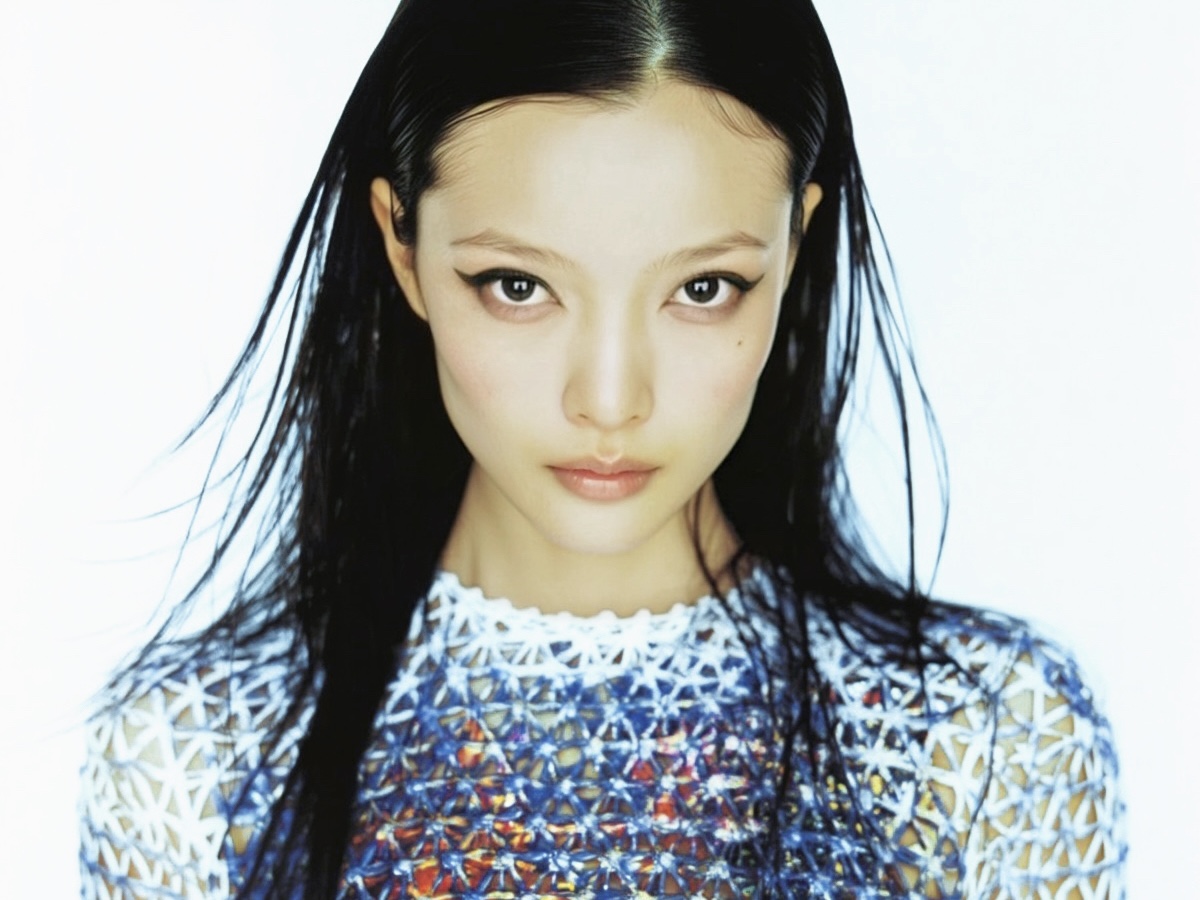

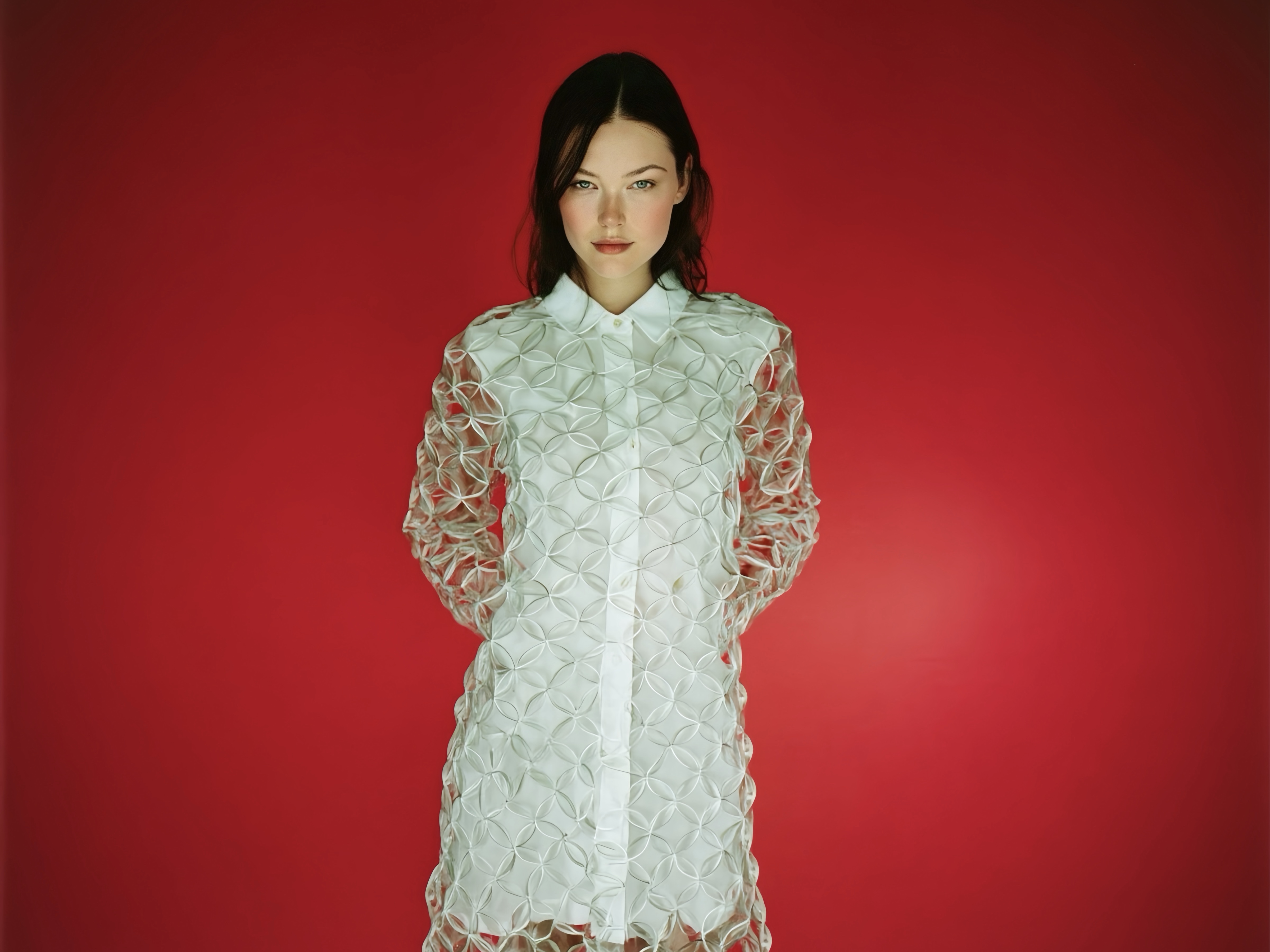

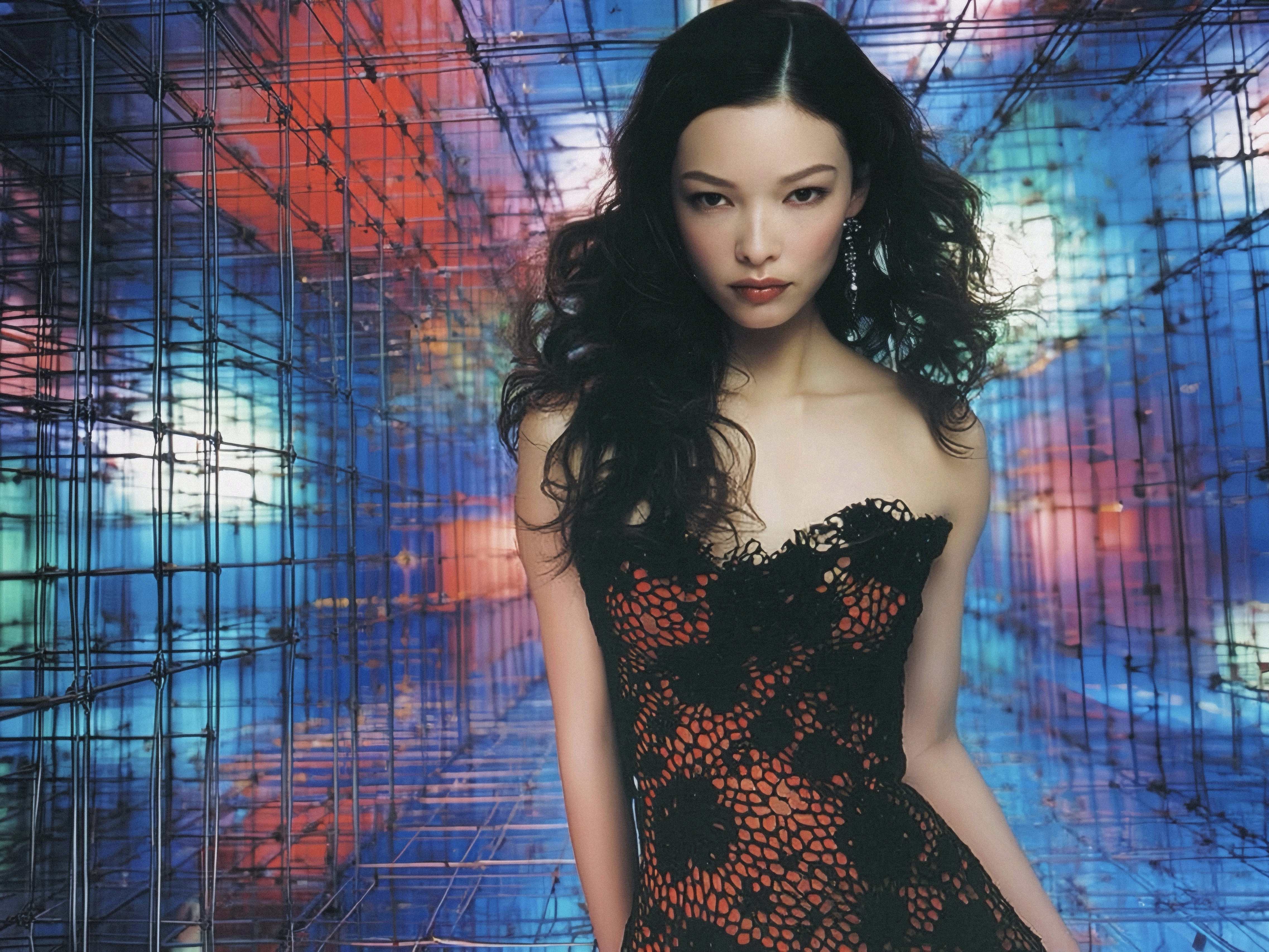
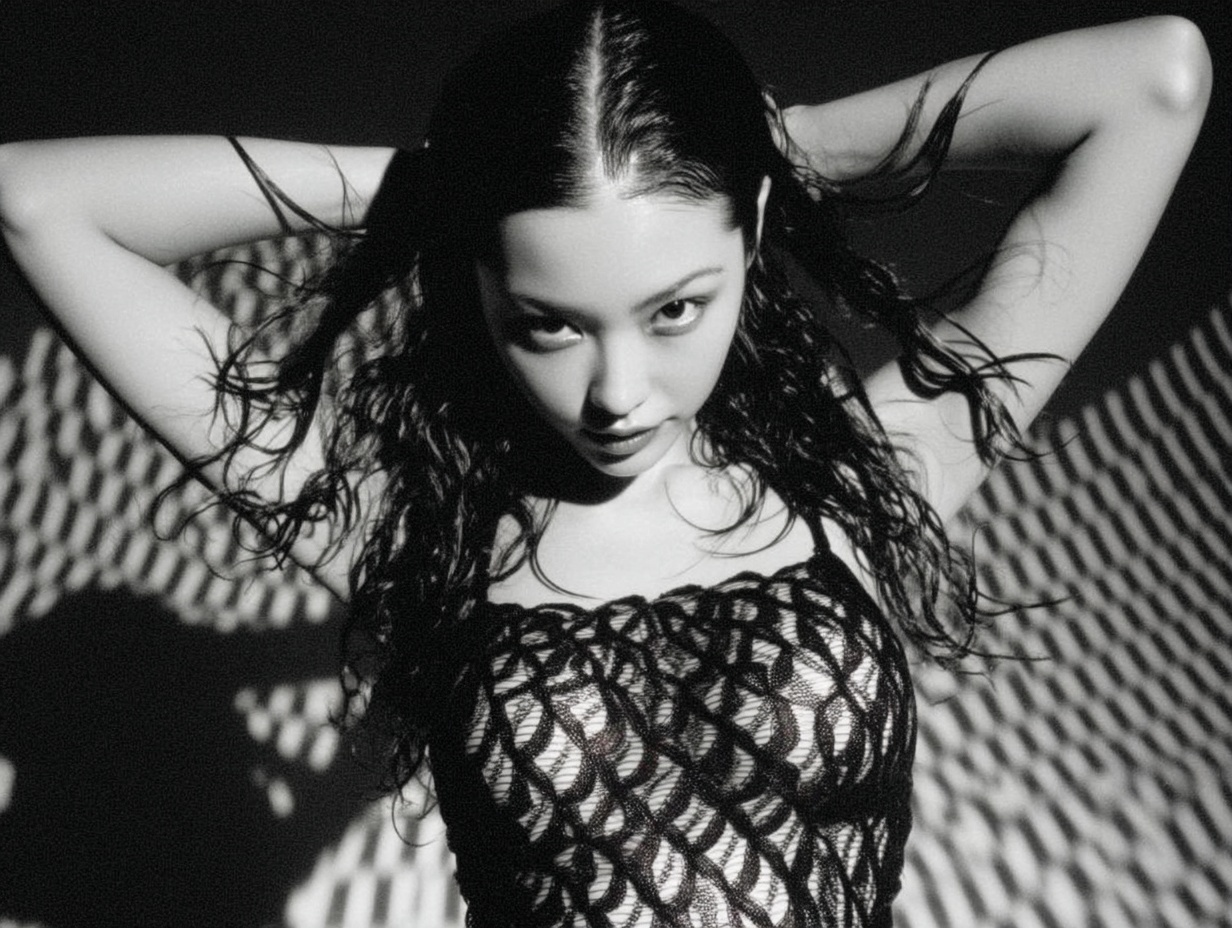


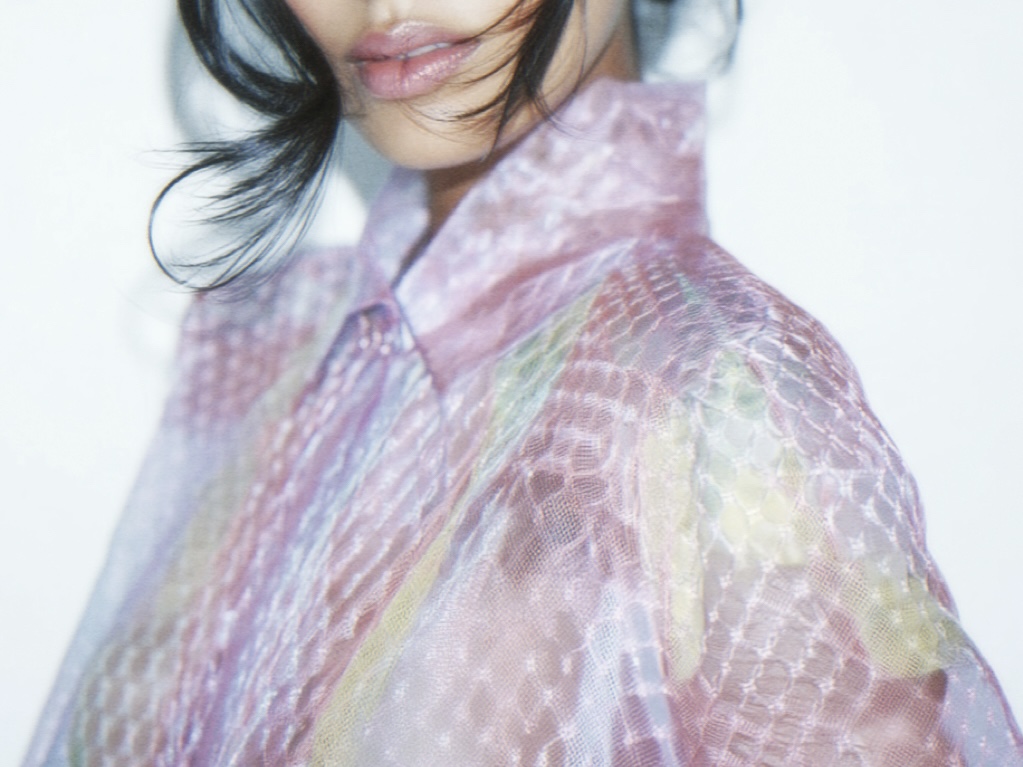
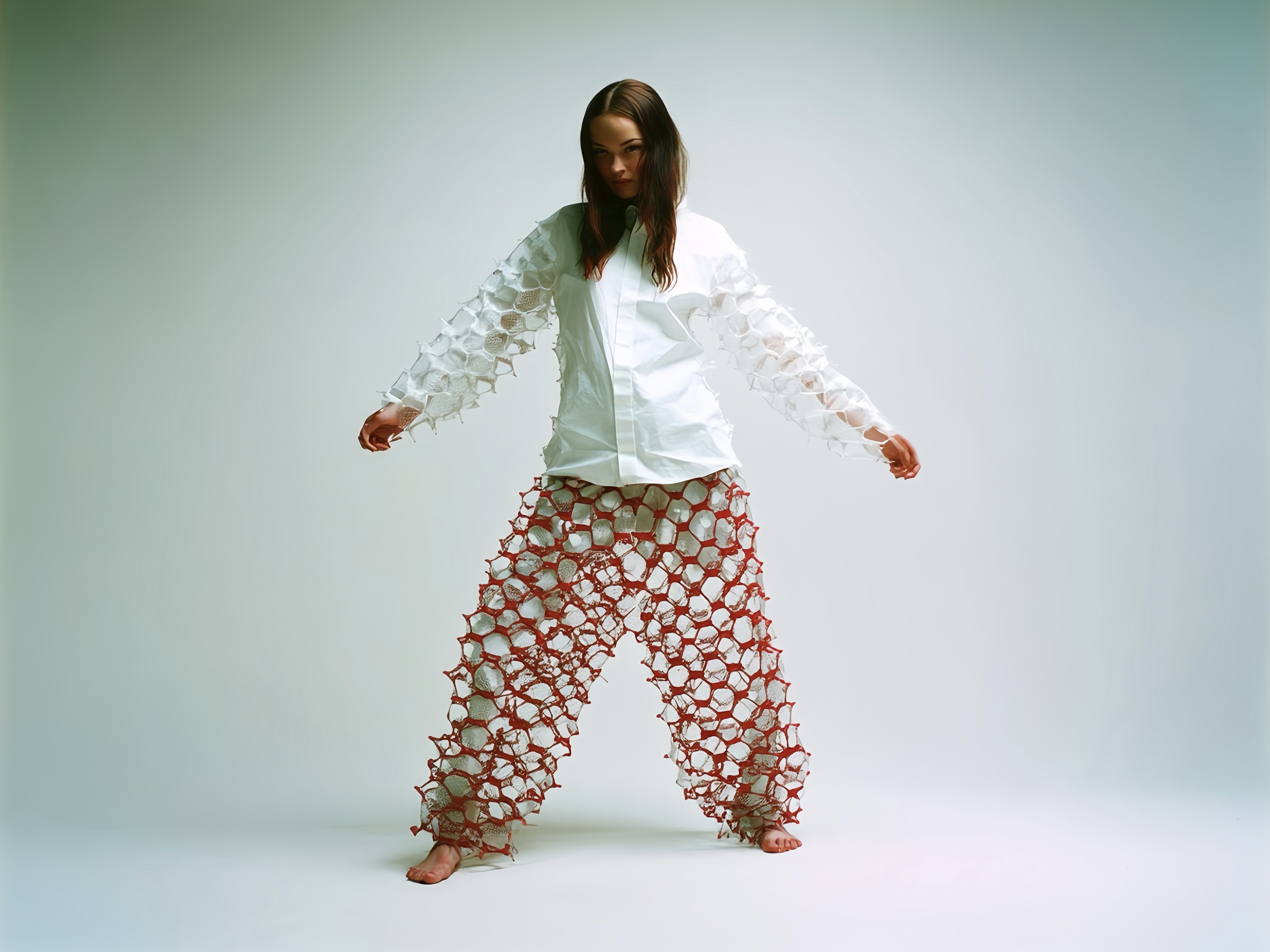


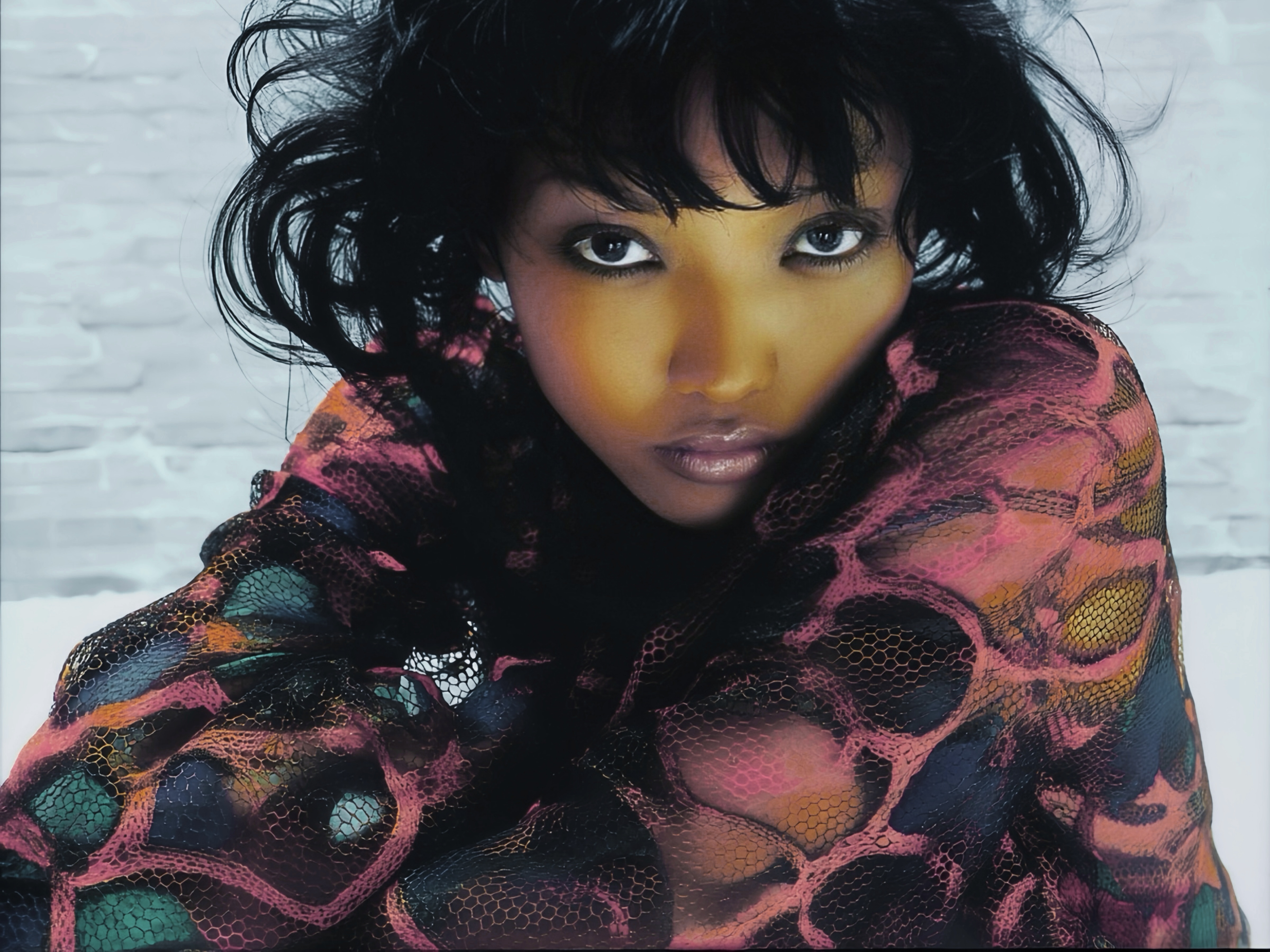
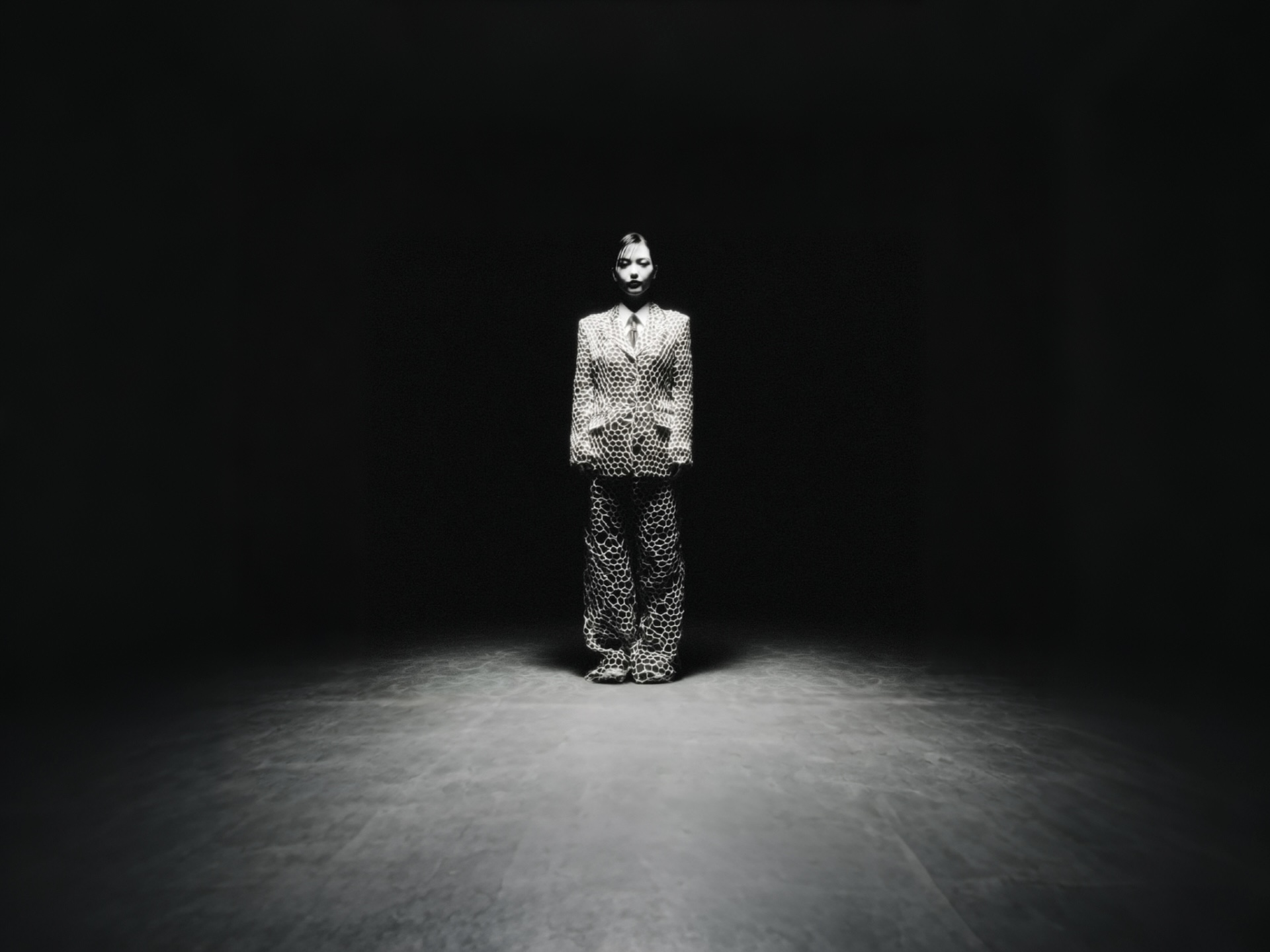

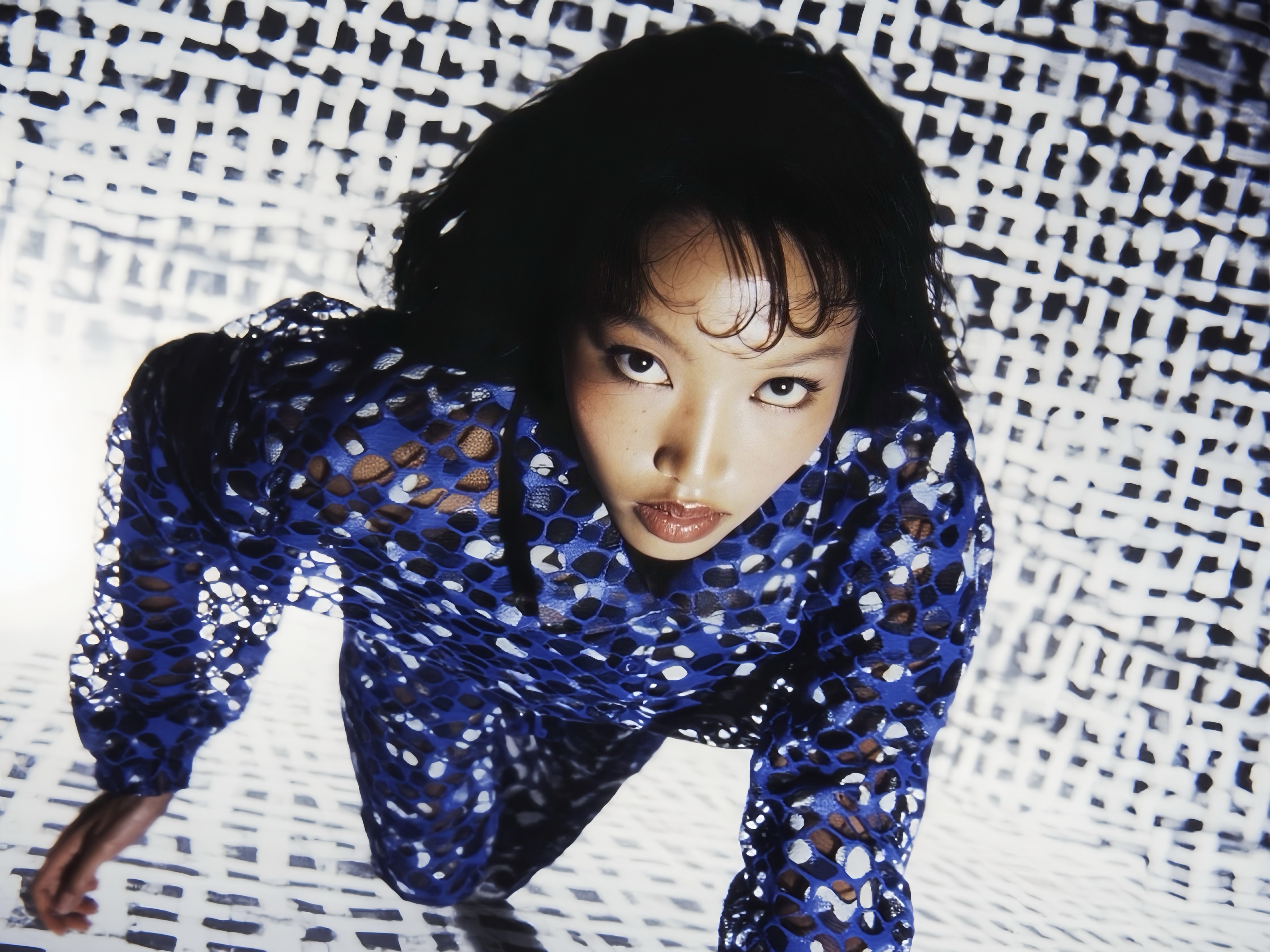

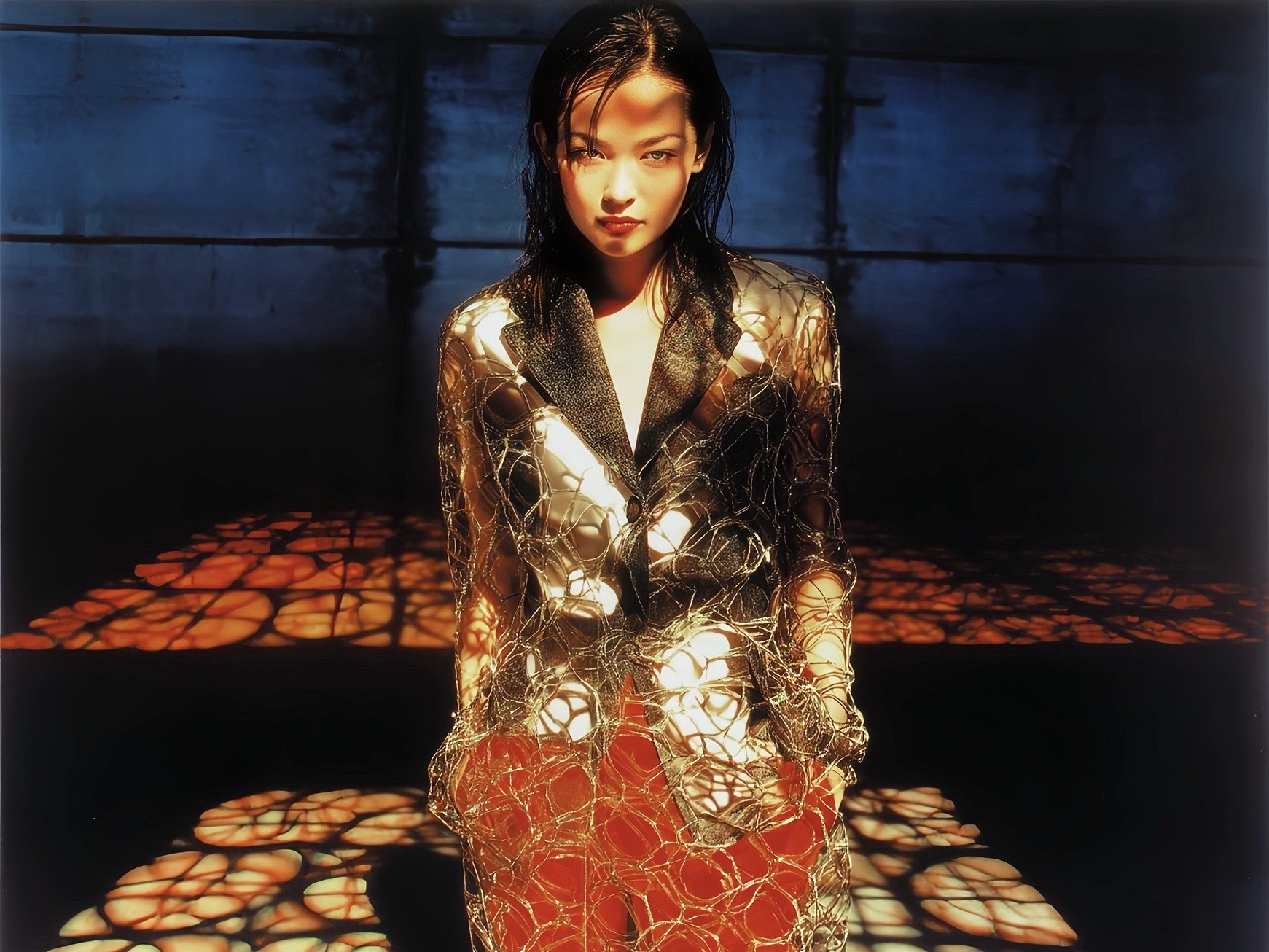
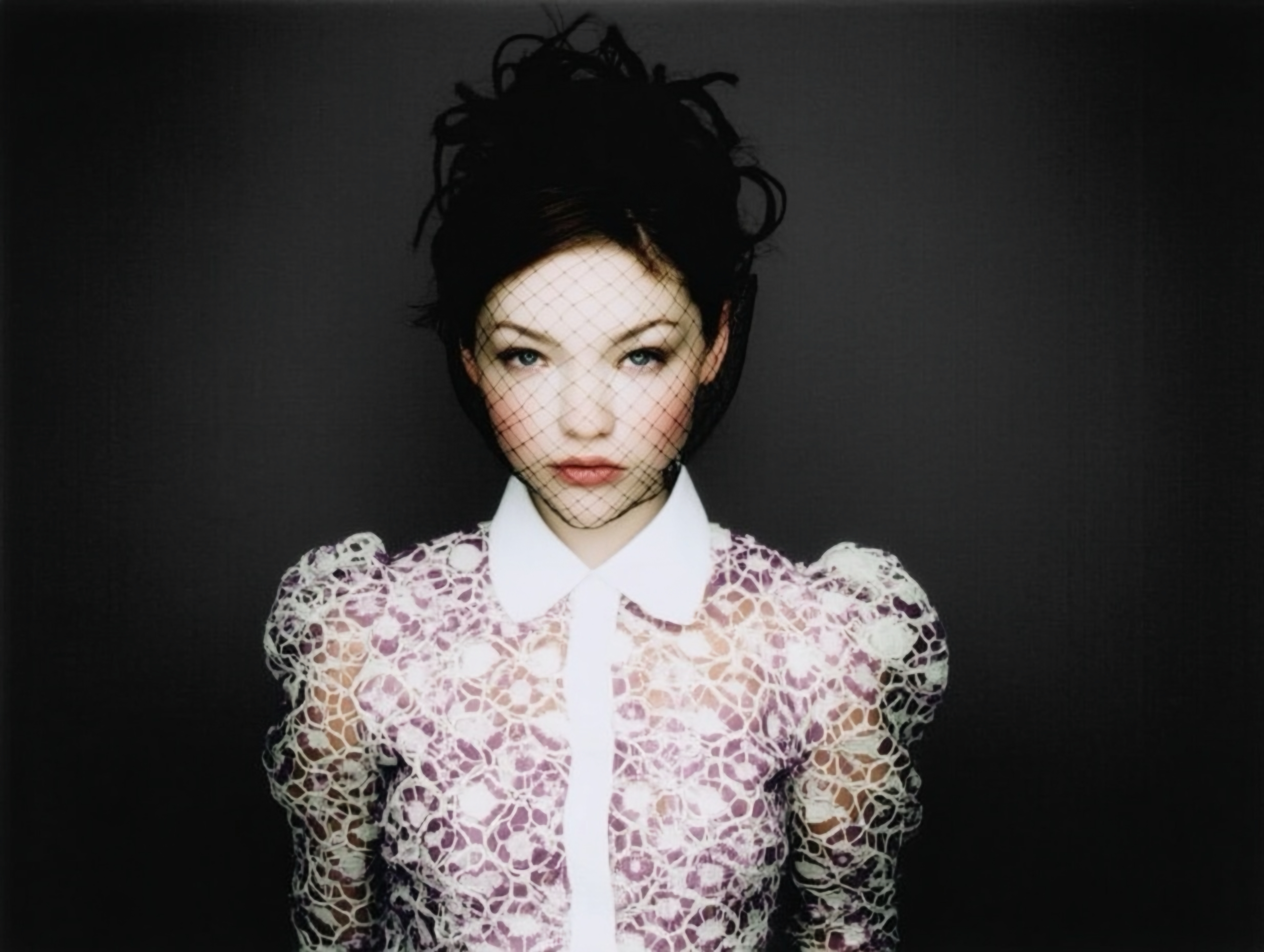



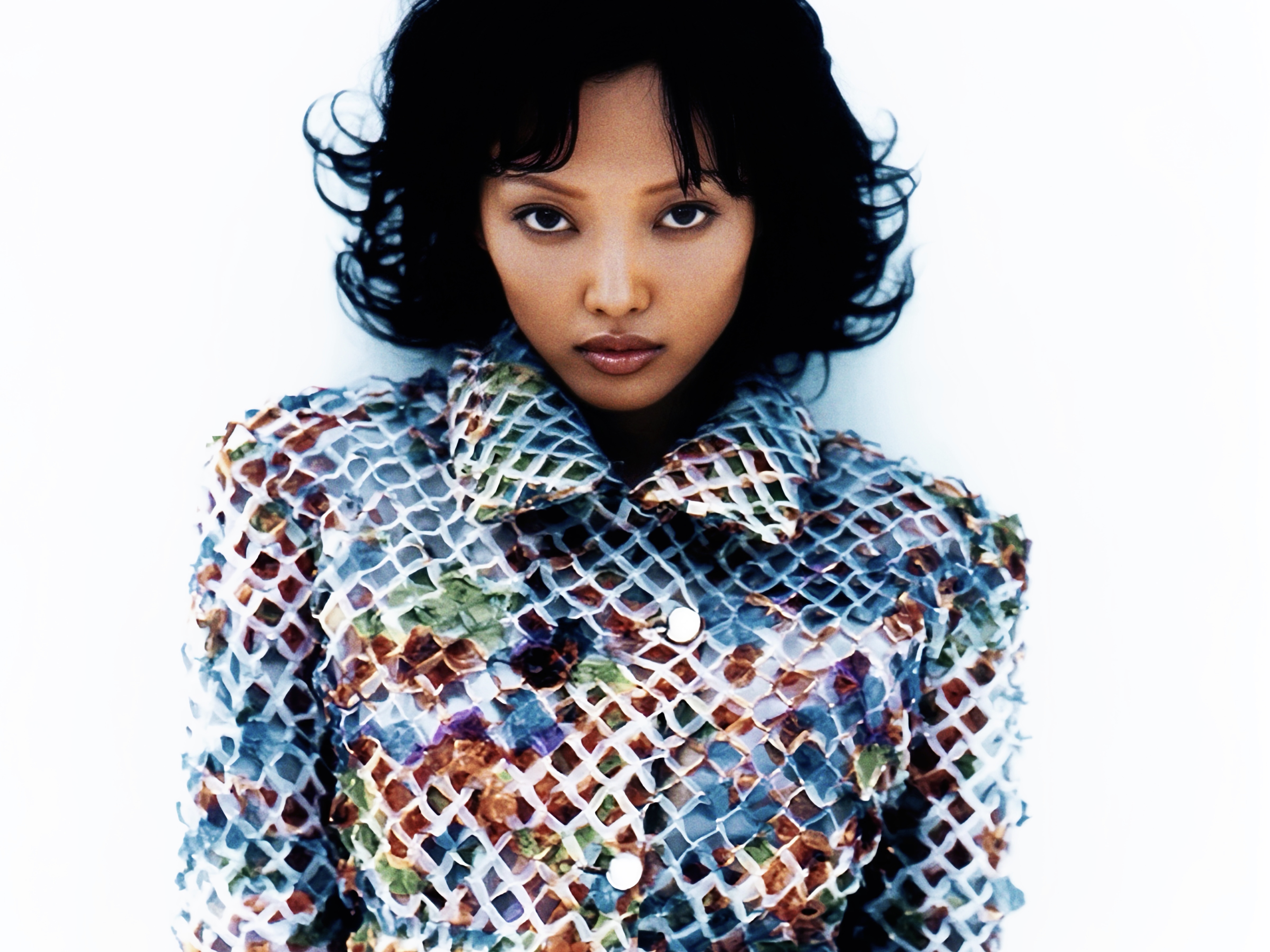
Closing
It doesn't tell someone else's story.
It listens to yours.