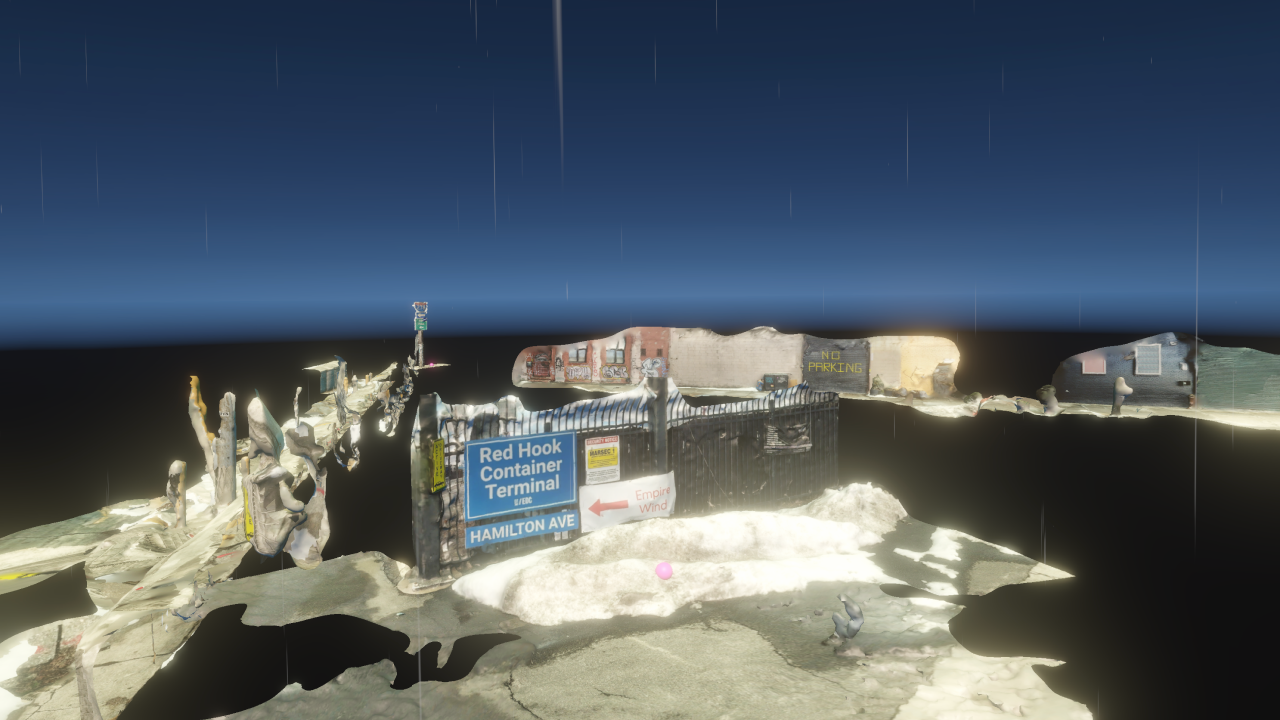
Tracing Food, Tracing Fragility
Sunni Jiayu Hu
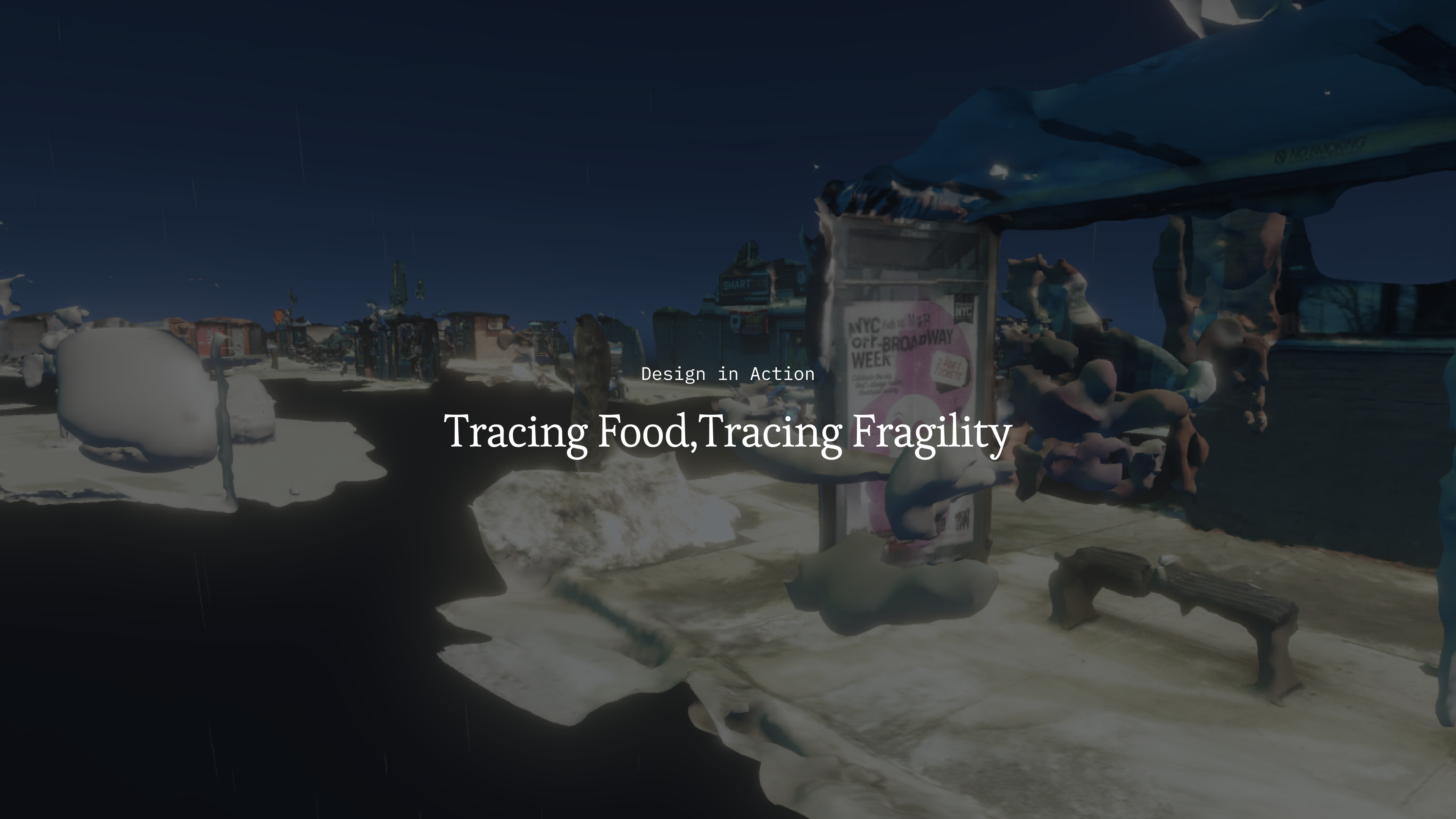
Food access often feels stable, immediate, and local. Grocery stores remain stocked, delivery systems continue operating, and food moves through the city with little interruption.
Yet this apparent stability depends on infrastructures that are rarely visible in everyday life: logistics networks, transportation systems, storage facilities, labor systems, and environmental conditions operating continuously in the background.
What happens when these systems are disrupted? How is vulnerability distributed across the city? And how can computational tools make these hidden dependencies visible?
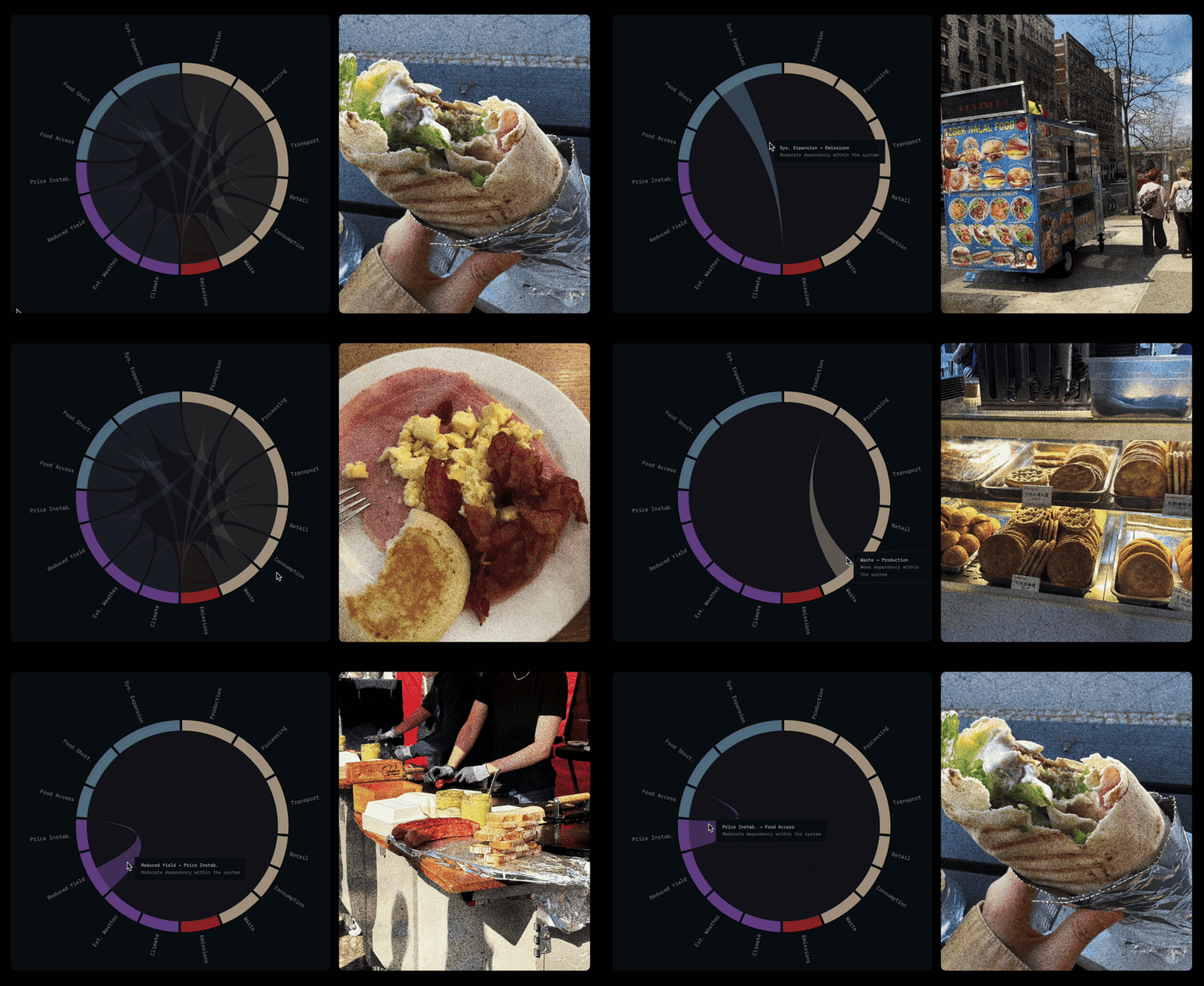
Tracing Food, Tracing Fragility
Tracing Food, Tracing Fragility is a spatial and interactive investigation into the infrastructures that sustain everyday food access in New York City.
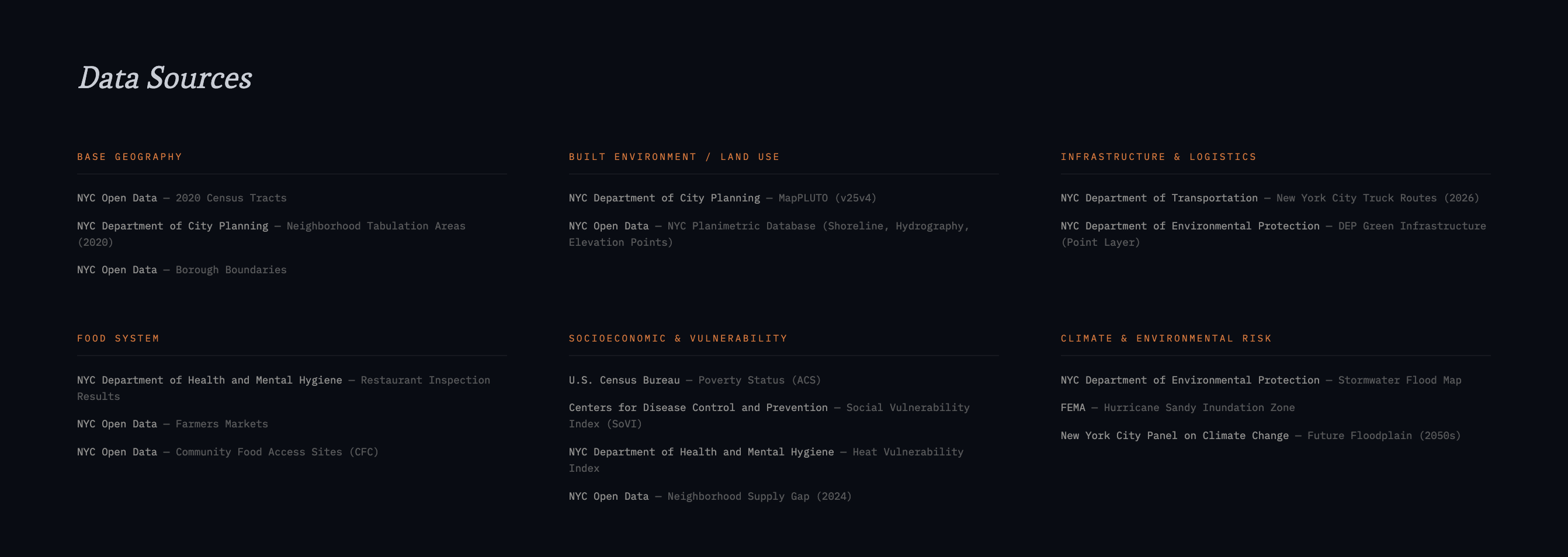
The project combines GIS mapping, spatial analysis, photogrammetry, and an interactive Unity environment to examine how food systems operate across scales — from global logistics networks to neighborhood streets and household conditions.
The project approaches food access not simply as proximity, but as a condition shaped by interconnected systems whose stability cannot always be guaranteed.
Food Vulnerability Index
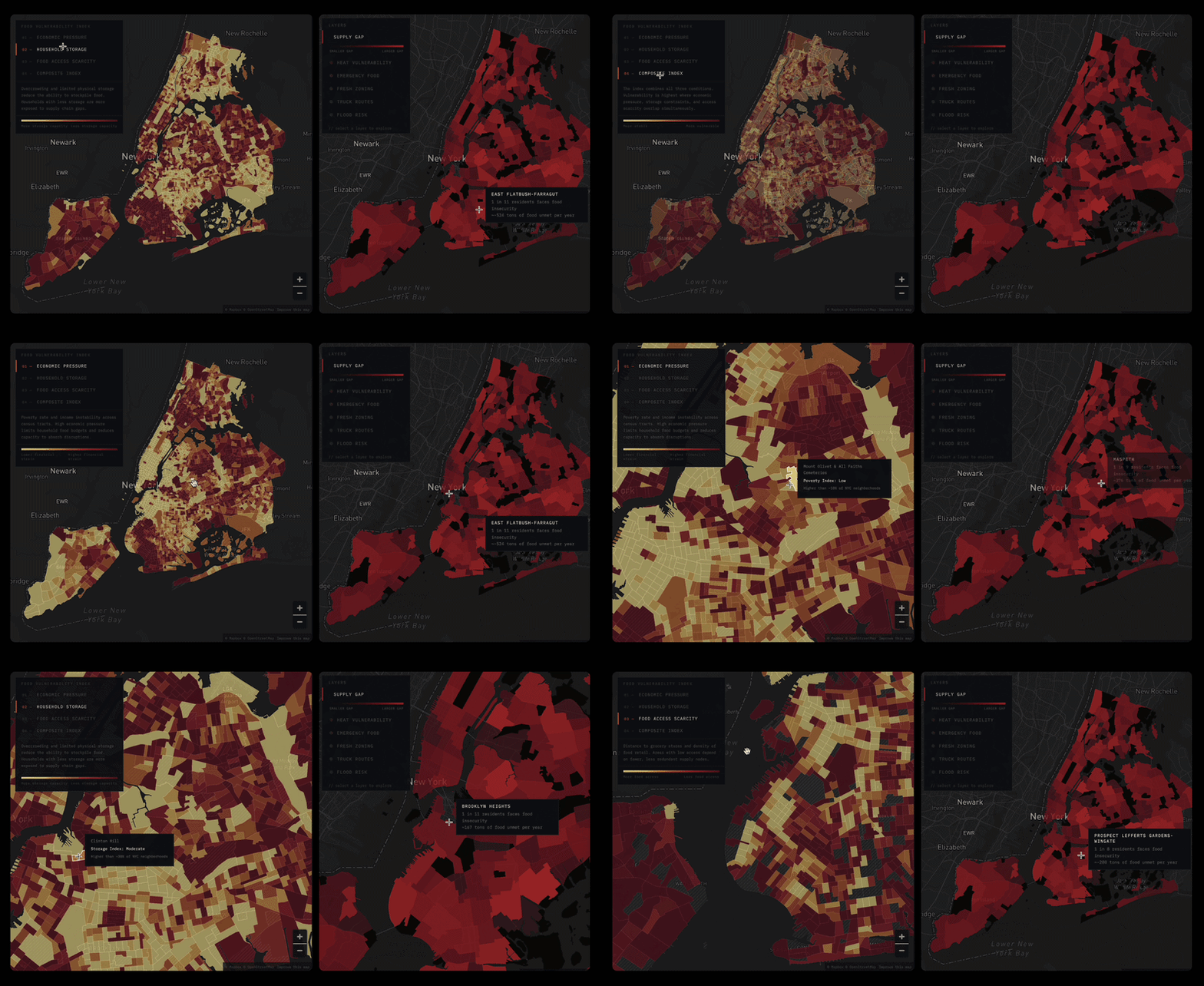
At the center of the project is the Food Vulnerability Index (FVI), a spatial framework developed to examine how food stability varies across New York City.
The index combines three dimensions:
- Economic Pressure
- Consumption Intensity
- Household Storage Capacity
These variables were mapped across census tracts to identify where everyday access depends most strongly on uninterrupted infrastructure and logistical continuity.
The analysis reveals that vulnerability is unevenly distributed. Environmental exposure, infrastructural dependency, and socioeconomic conditions overlap spatially, concentrating fragility within particular neighborhoods.
Red Hook: A Site of Convergence
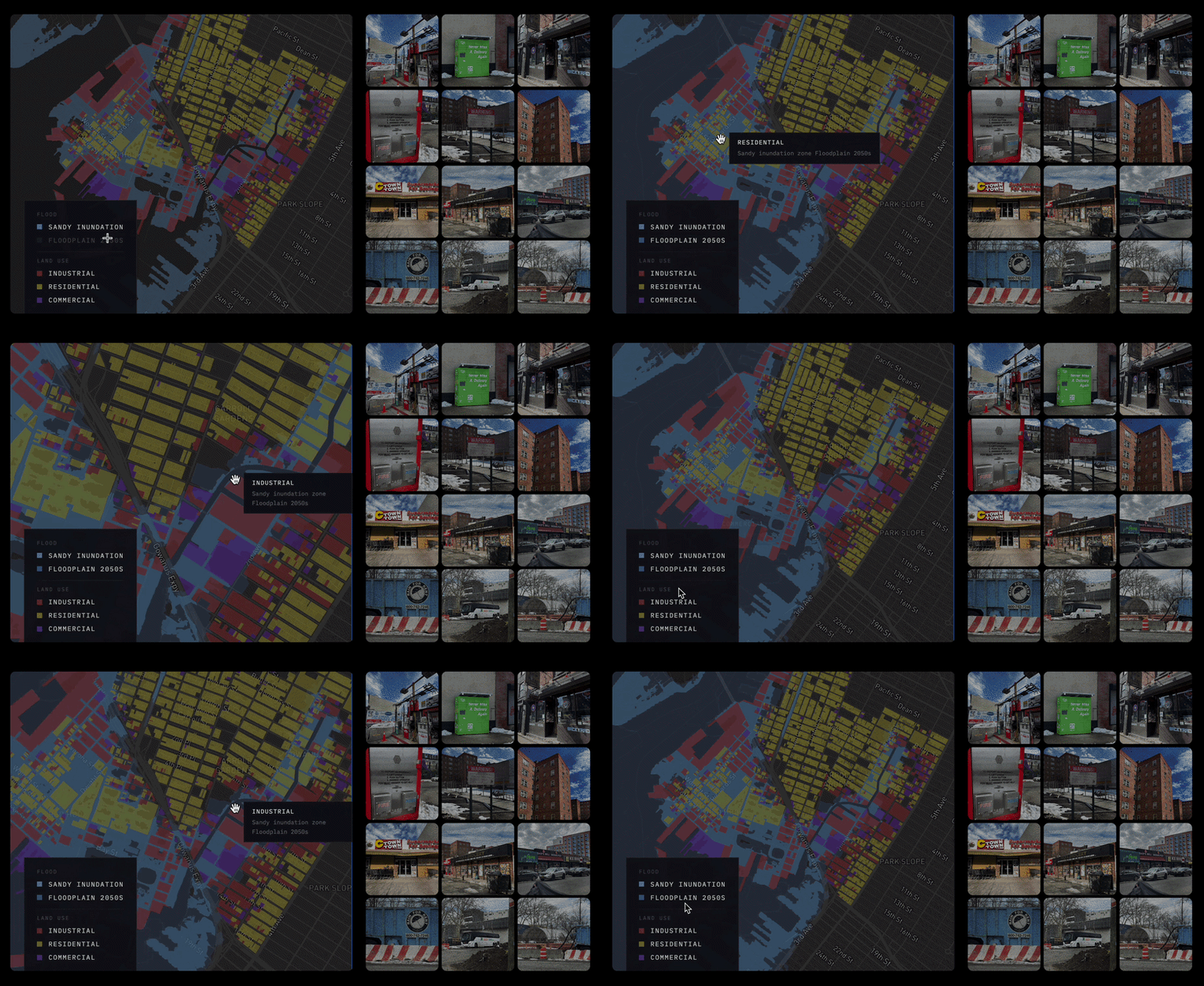
Red Hook emerged as a site where these overlapping systems become simultaneously visible.
Low elevation, coastal flood exposure, limited transit access, and a dense concentration of warehouse and logistics infrastructure converge within a relatively contained geography.
Loading docks, distribution routes, bodegas, industrial waterfronts, and residential streets exist only blocks apart. This proximity makes visible how global supply chains intersect directly with everyday urban life.
Rather than understanding environmental risk as a singular event, the project approaches vulnerability as an ongoing condition embedded within the organization of the neighborhood itself.
Fragments and Reconstruction
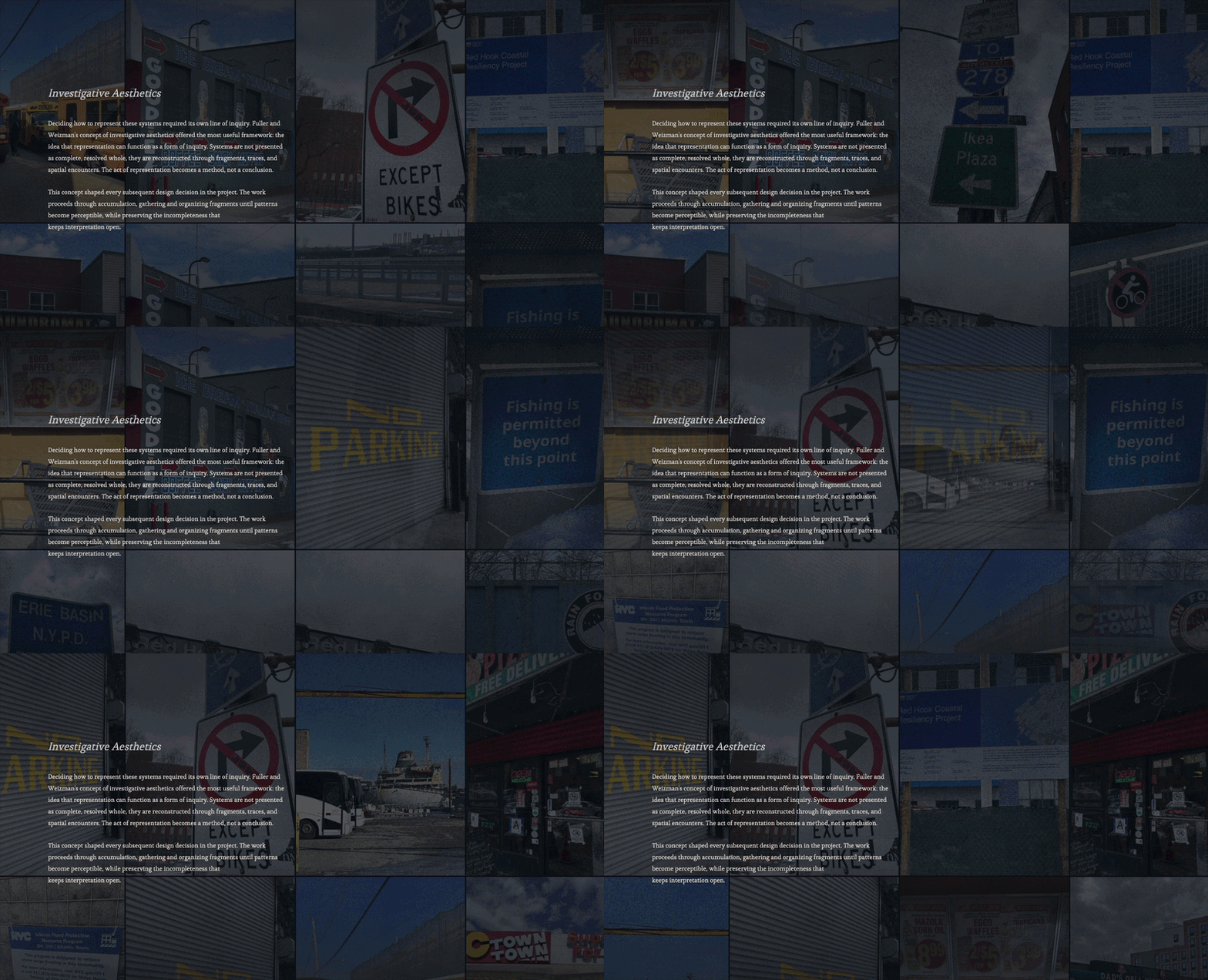
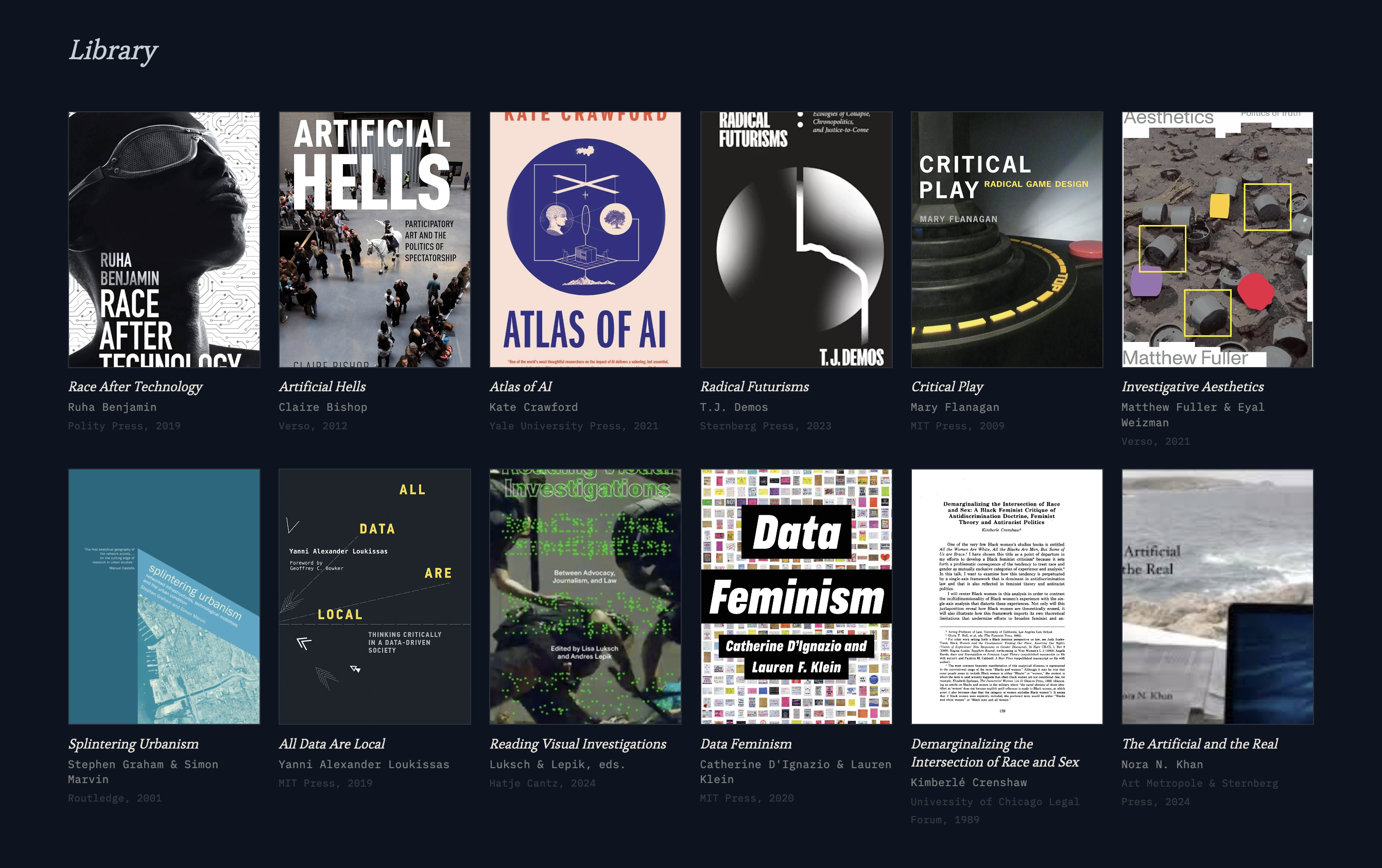
The project draws from the concept of investigative aesthetics, treating representation not as a finished image but as a method of inquiry.
Mapping, spatial reconstruction, and interactive environments operate as tools for assembling fragments, traces, and relationships that are often difficult to perceive in everyday life.
The goal is not to produce a complete model of the food system, but to create conditions where infrastructural dependency becomes perceptible.
Interactive Environment
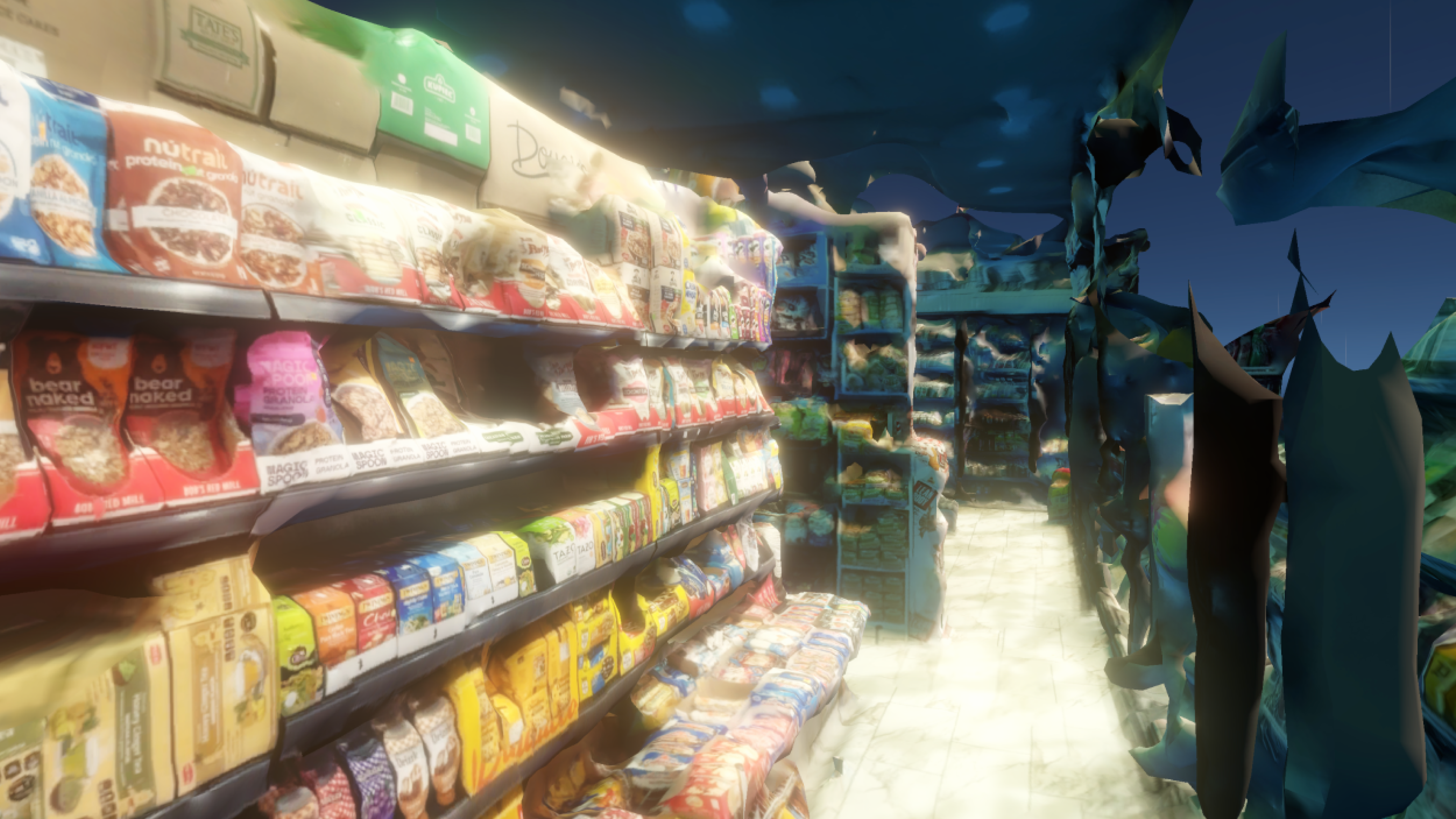
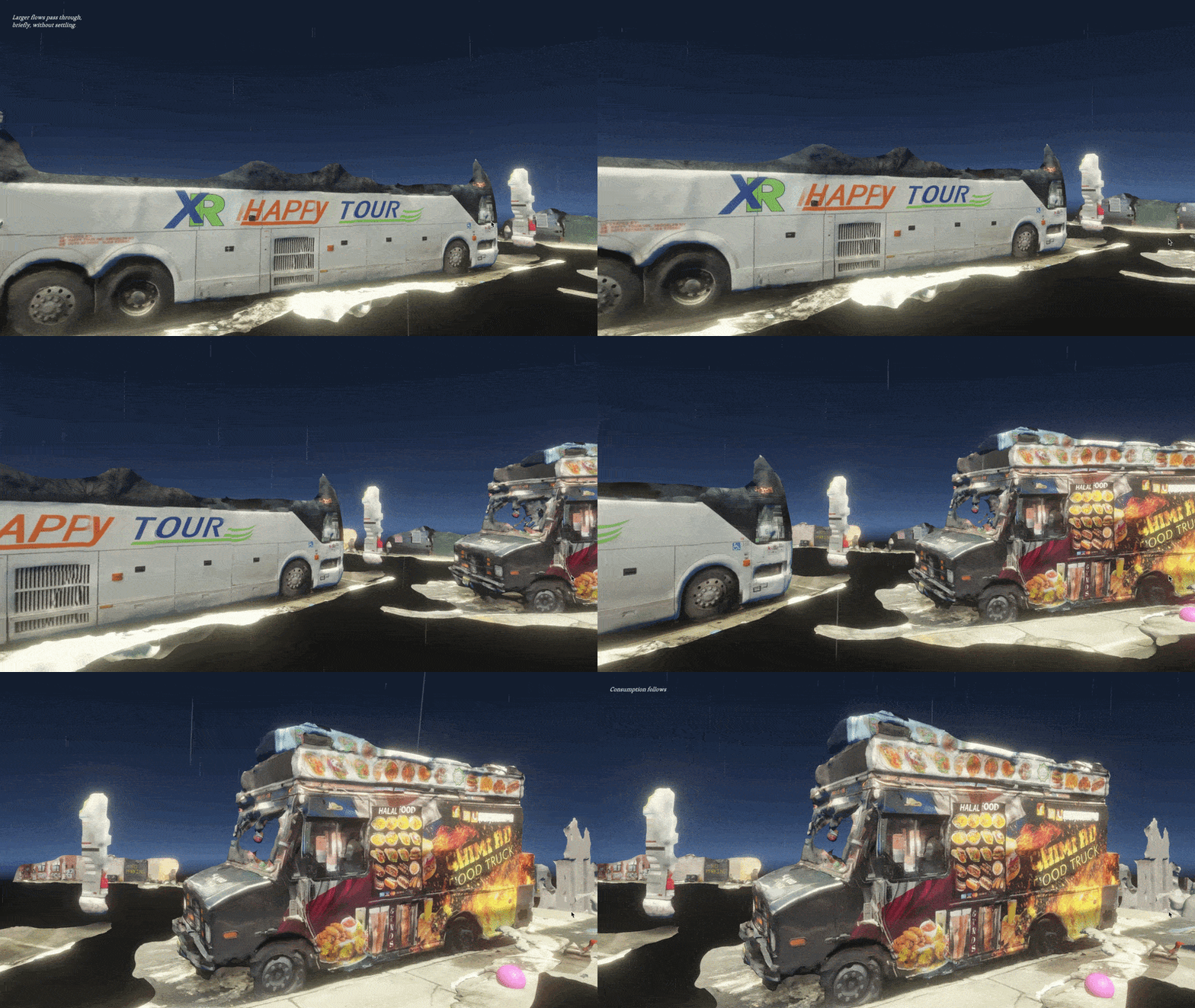
The spatial analysis informed the development of an interactive Unity-based environment.
Using photogrammetry captured throughout Red Hook, the project reconstructs fragments of logistical infrastructure, storefronts, loading areas, and waterfront conditions. These fragments remain intentionally incomplete, preserving the partial and uneven nature of how infrastructure is encountered in everyday experience.
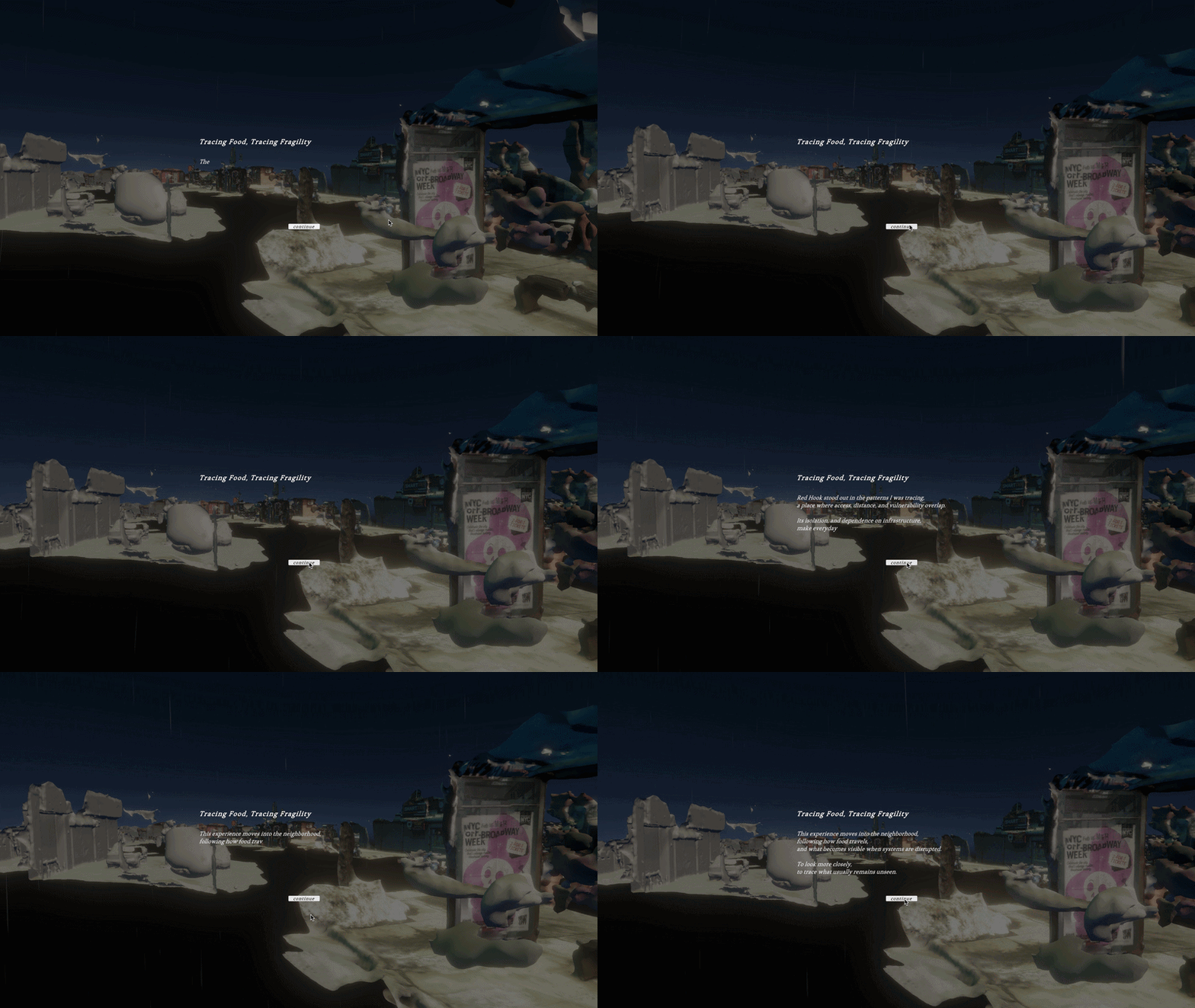
Navigation follows a constrained node-based structure. Users move sequentially through fixed viewpoints, encountering contextual observations, data fragments, and spatial traces throughout the environment.
Interaction is deliberately limited. Users can navigate and observe, but cannot alter the systems they encounter. The project positions presence within infrastructure separately from control over it.
Special thanks to my advisor, Seth Thompson, for his guidance, support, and inspiration throughout this project.
Thank you to Catherine Griffiths, Ziv Schneider, Christopher Woebken, Dan Miller, Celeste Layne, Adam Vosburgh, and Laura Kurgan for their feedback, conversations, and support throughout this journey.
And finally, thank you to my peers, friends, and family for their encouragement and support throughout the past year.